
What’s Going On?
Cannabis farmers helping save salmon
𓆝 𓆟 𓆞
Cannabis farmers helping save salmon 𓆝 𓆟 𓆞
Working with farmers to stop erosion at the source
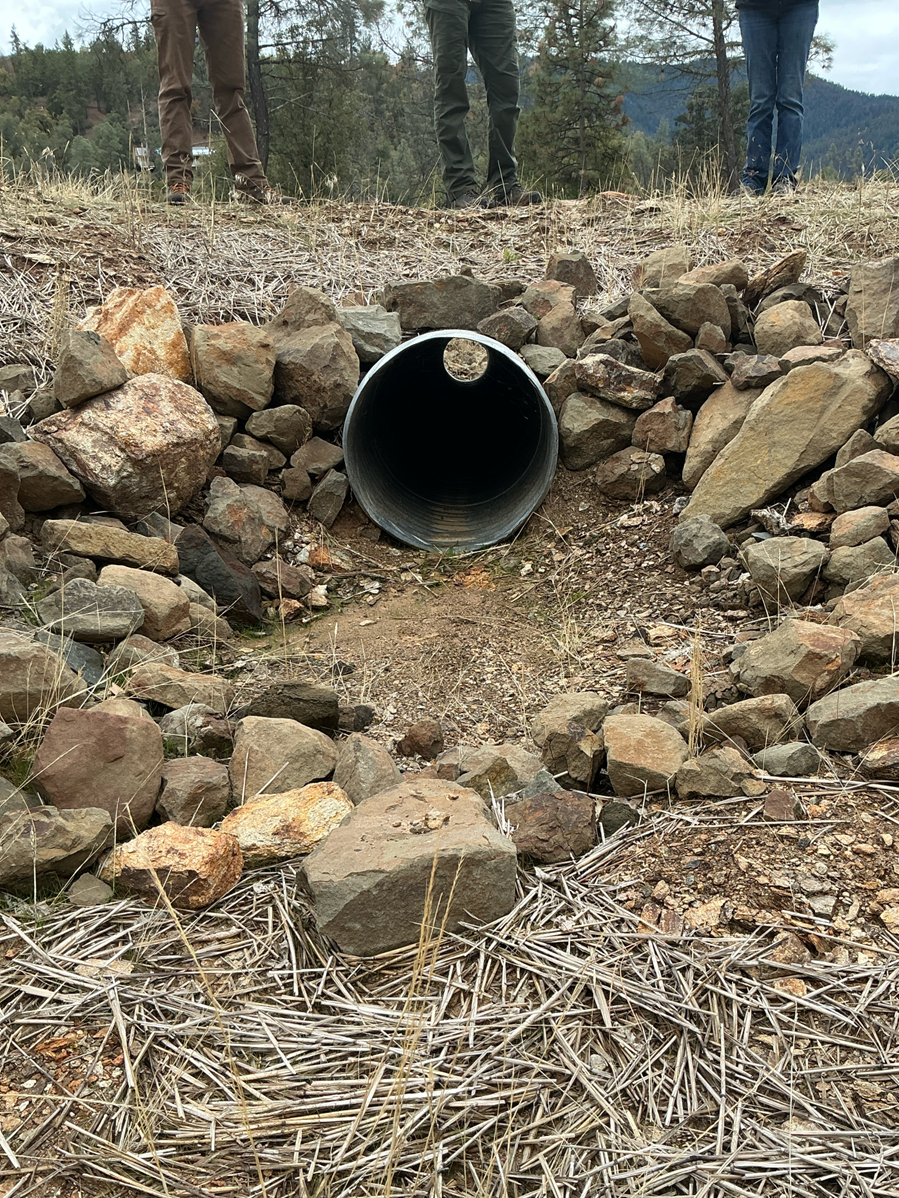
By upgrading roads and stream crossings, improving stormwater management and stabilizing slopes, we’re keeping sediment out of rivers, protecting habitats that support fish, amphibians, and invertebrates, while safeguarding clean water for communities across Northern California.
QUICK LINKS
Keep reading to learn more or take action now to get involved:
interest forms For Landowners & Cultivators:
Helpful resources:
Scope of Work
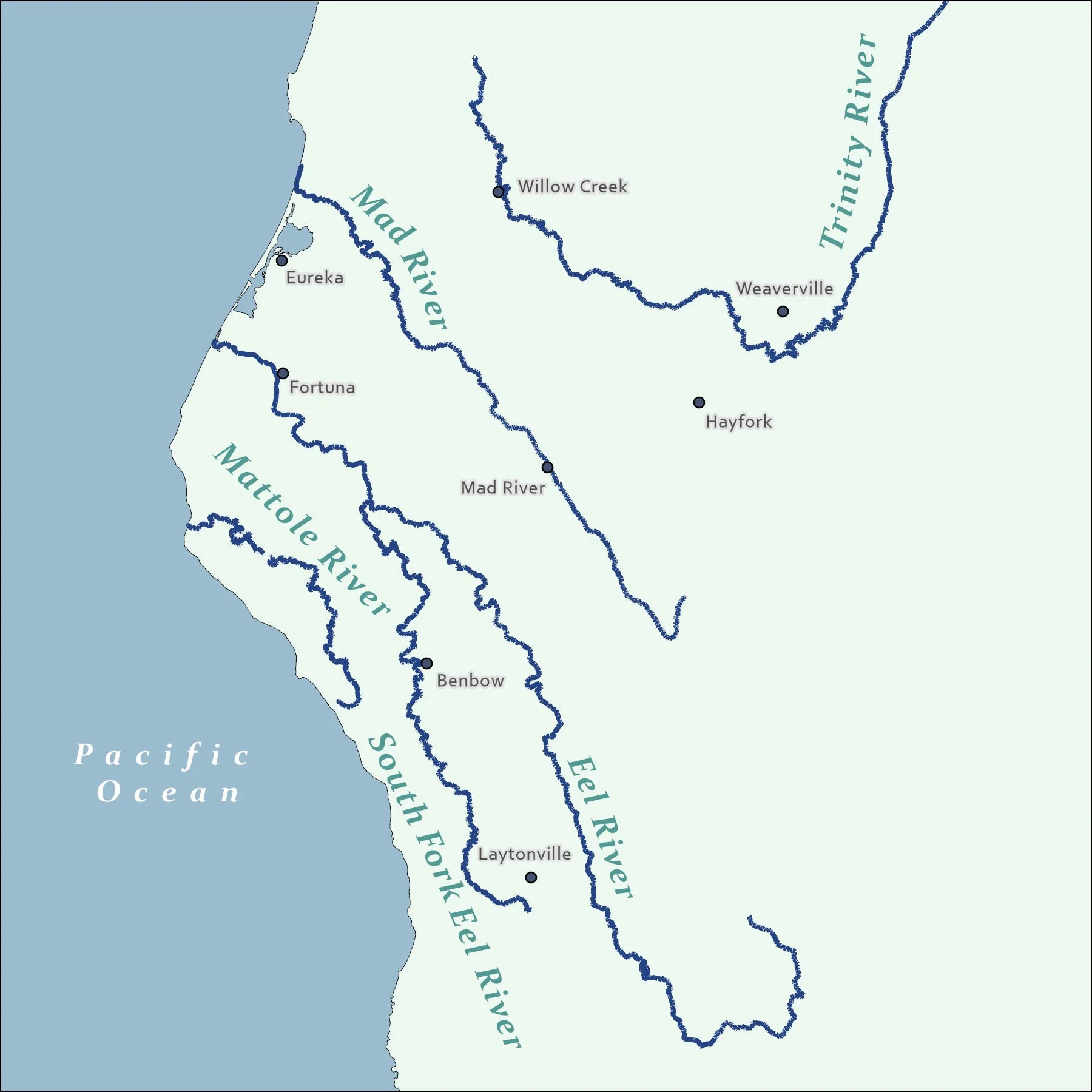
The Sediment Reduction on Cannabis Farms in Priority Northern Watersheds Project focuses on reducing harmful sediment inputs in some of Northern California’s most important salmon-bearing rivers — the Mattole, South Fork Eel, Eel, Mad, and Trinity Rivers.
We plan to:
Partner with at least 40 landowners on current or former cultivation properties;
Assess and develop plans for 200 sediment source points, such as eroding roads, failing stream crossings, or unstable slopes; and
Implement restoration at 100 of the highest-priority sites to maximize ecological benefit.
These efforts directly benefit some of California’s most at-risk aquatic species, including:
At-Risk & Special Status Species
Species not fully listed under ESA, but recognized by federal or state agencies as vulnerable.
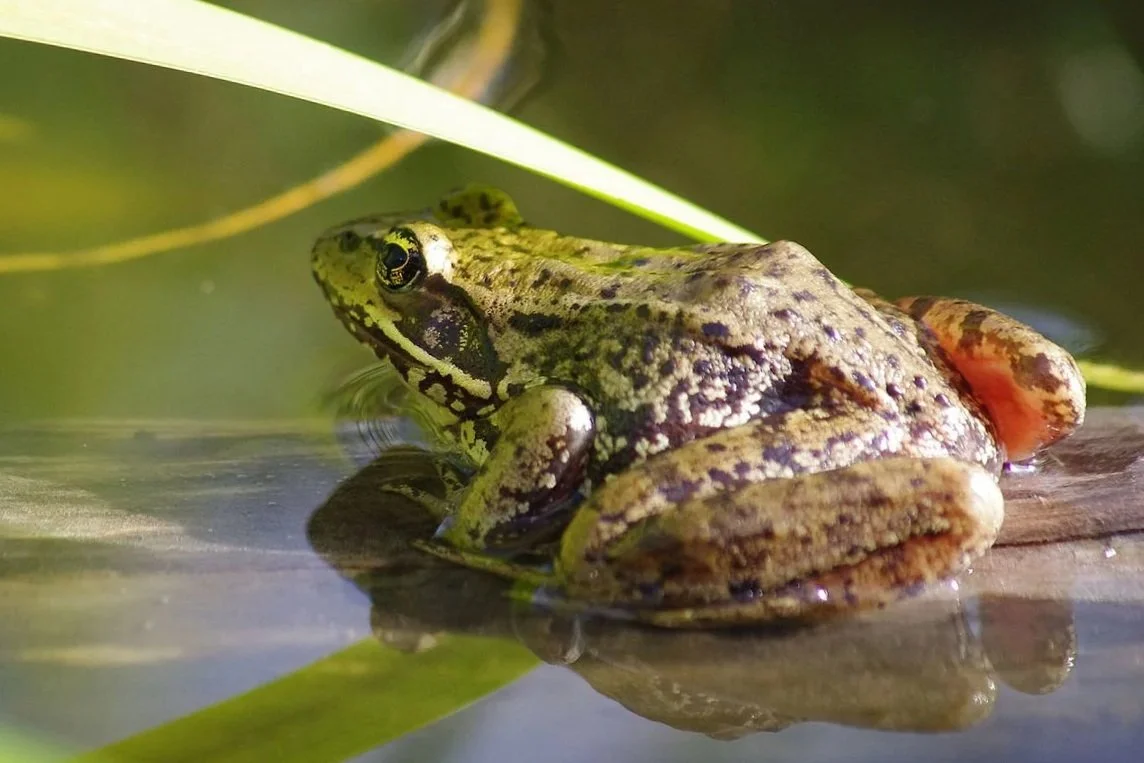
Not Listed (CA)
© Mary Reesman, CC2, via ODFW
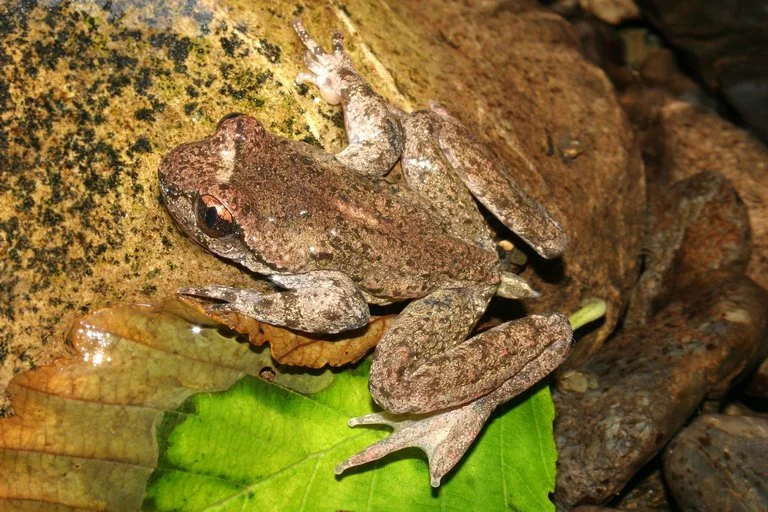
Northern Red-Legged Frog
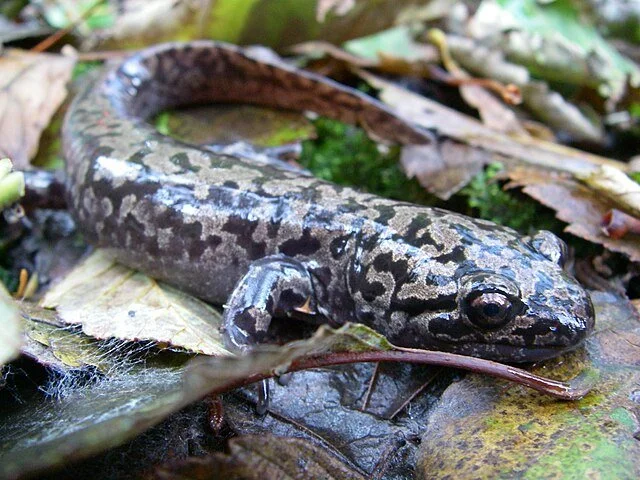
Not listed (CA)
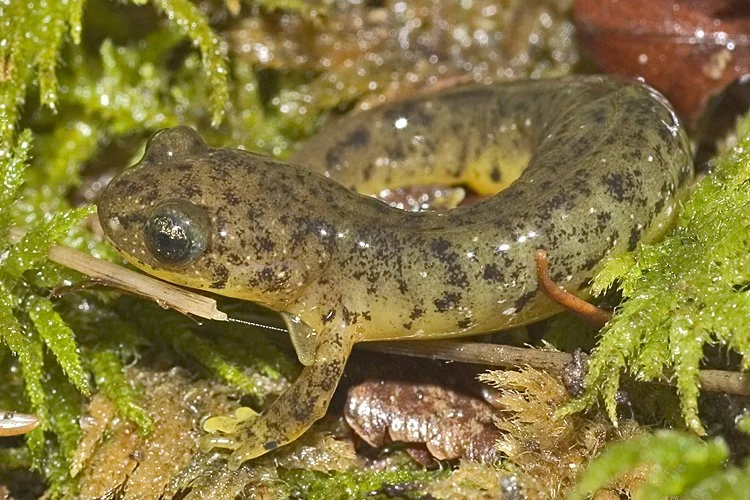
Coastal Giant Salamander
Proposed Federal Threatened, Not Listed (CA)
© Yathin S Krishnappa, CC3, via Wikimedia
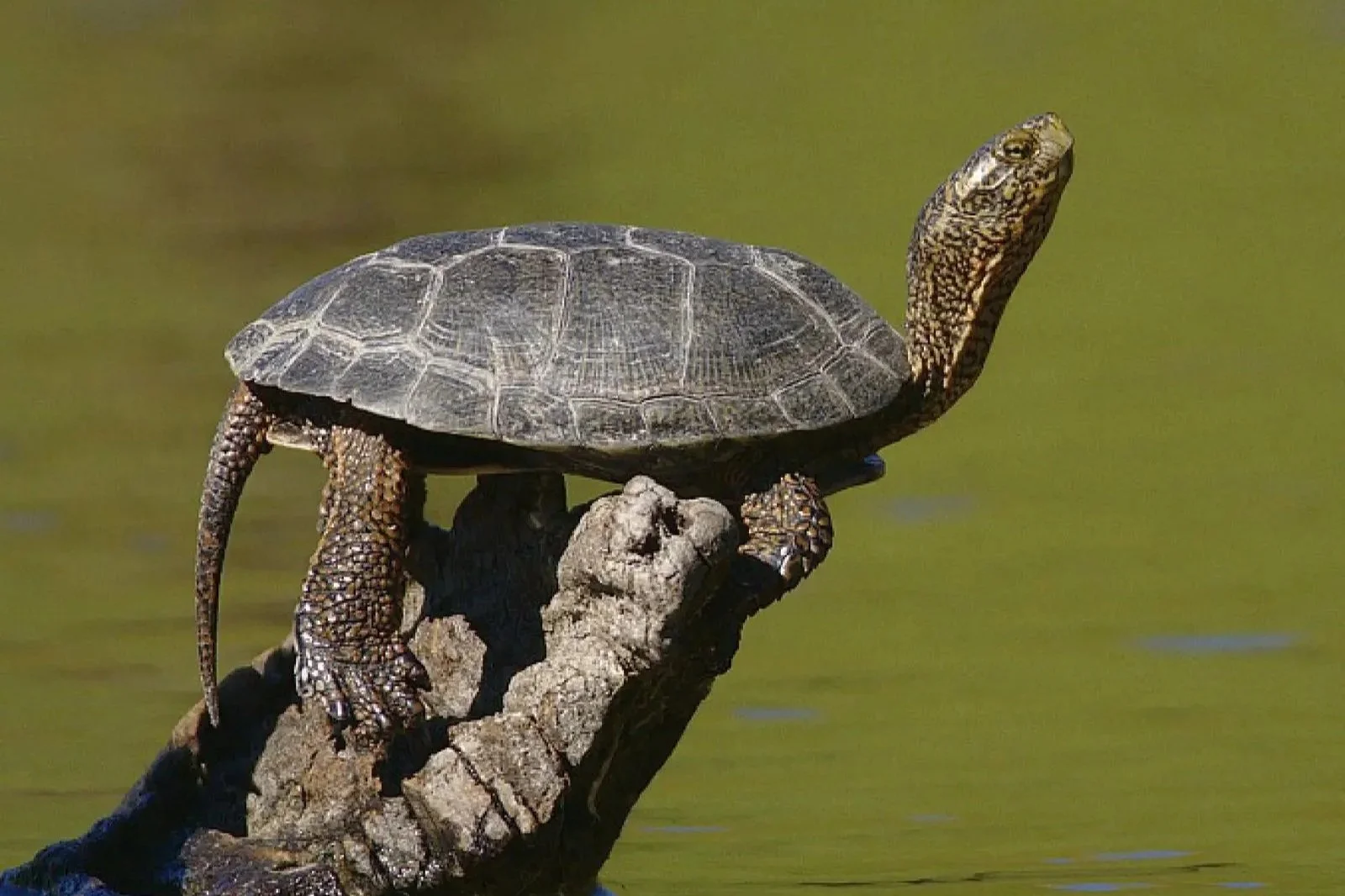
Northwestern Pond Turtle
CA Species of Special Concern
© William Flaxington, CC3, via CalPhotos
Coastal Tailed Frog
CA Species of Special Concern
Southern Torrent Salamander
These species rely on clean, cold, connected waterways and are highly sensitive to sediment, temperature, and habitat disturbance.
High Risk / Protected Species
Federally or state-listed species with the highest regulatory and ecological concern.
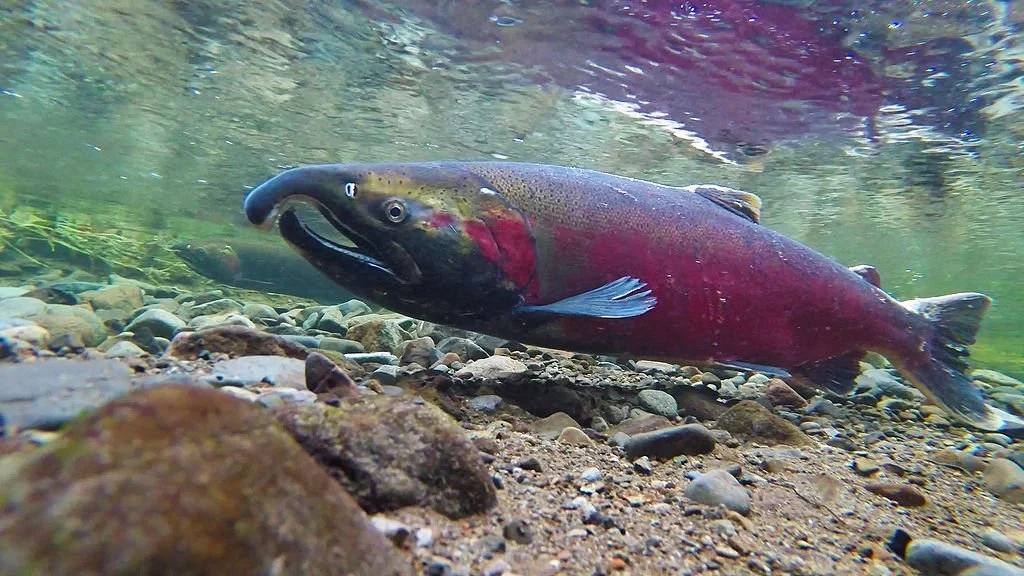
Federal & CA Threatened
Coho Salmon (SONCC)
Federal & CA Threatened
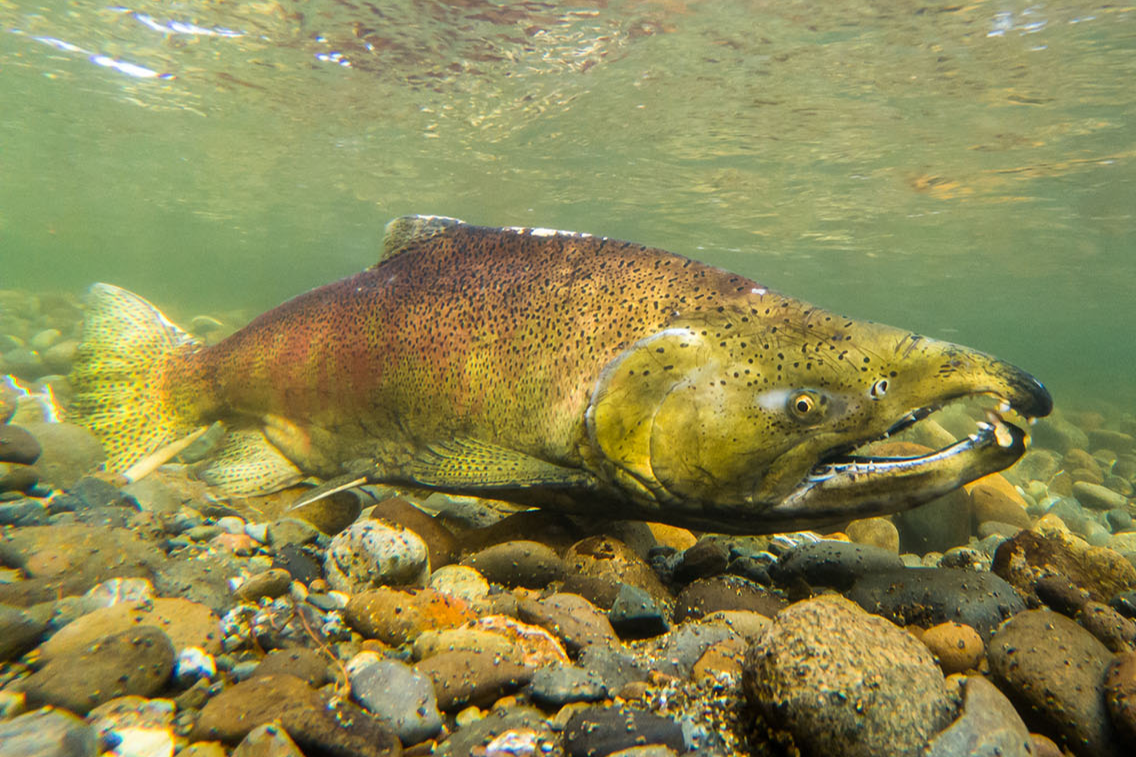
Chinook salmon (CA Coastal)
Federal Threatened; CA summer-run Endangered
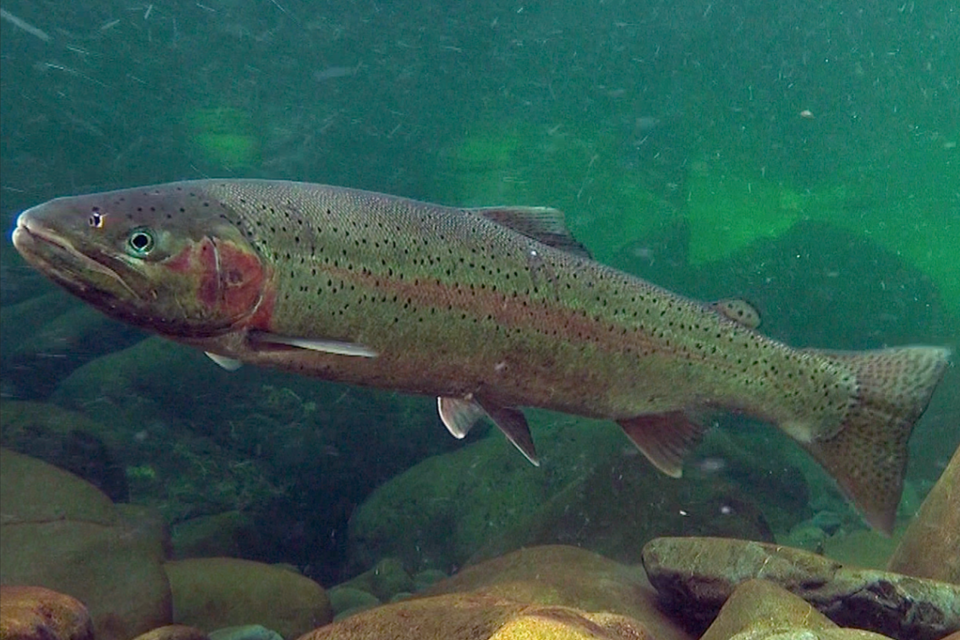
Steelhead (Northern CA Winter & Summer runs)
These species are listed as Threatened or Endangered and are a primary focus of sediment reduction efforts.
By addressing erosion at its source, we’re improving water quality for rural communities and restoring habitats for fish and amphibians.
Project Overview
When rural roads and slopes erode, tons of fine sediment are carried into rivers and creeks. Sediment degrades spawning habitats for salmon and amphibians, and reduces water quality for people and wildlife alike.
By teaming up with cultivators, restoration experts, and community partners, we’re fixing the root causes of sediment pollution. From stabilizing slopes and re-vegetating bare soil, to upgrading culverts and hydrologically disconnecting roads, our goal is to keep soil where it belongs—on the land—and restore clean, cold water flows for fish, farms, and rural communities.
This project is funded by the California Department of Fish & Wildlife’s Cannabis Restoration Grant Program, which supports the restoration of streams and other species habitat on the properties of willing landowners.
Why It Matters
Sediment is the #1 pollutant in Northern California rivers and rural roads are the main contributor of unnatural sediment to streams. Keeping it out of streams means healthier ecosystems, safer communities, and more resilient farms.
Clean water & habitat – Less fine sediment means healthier spawning gravels and rearing habitat for fish and amphibians.
Community safety – Better drainage and erosion control reduce road failures, improve emergency access, and lower maintenance costs.
Working lands – Practical fixes help landowners keep roads serviceable while protecting streams, wetlands, and drinking water supplies.
What We’re Doing
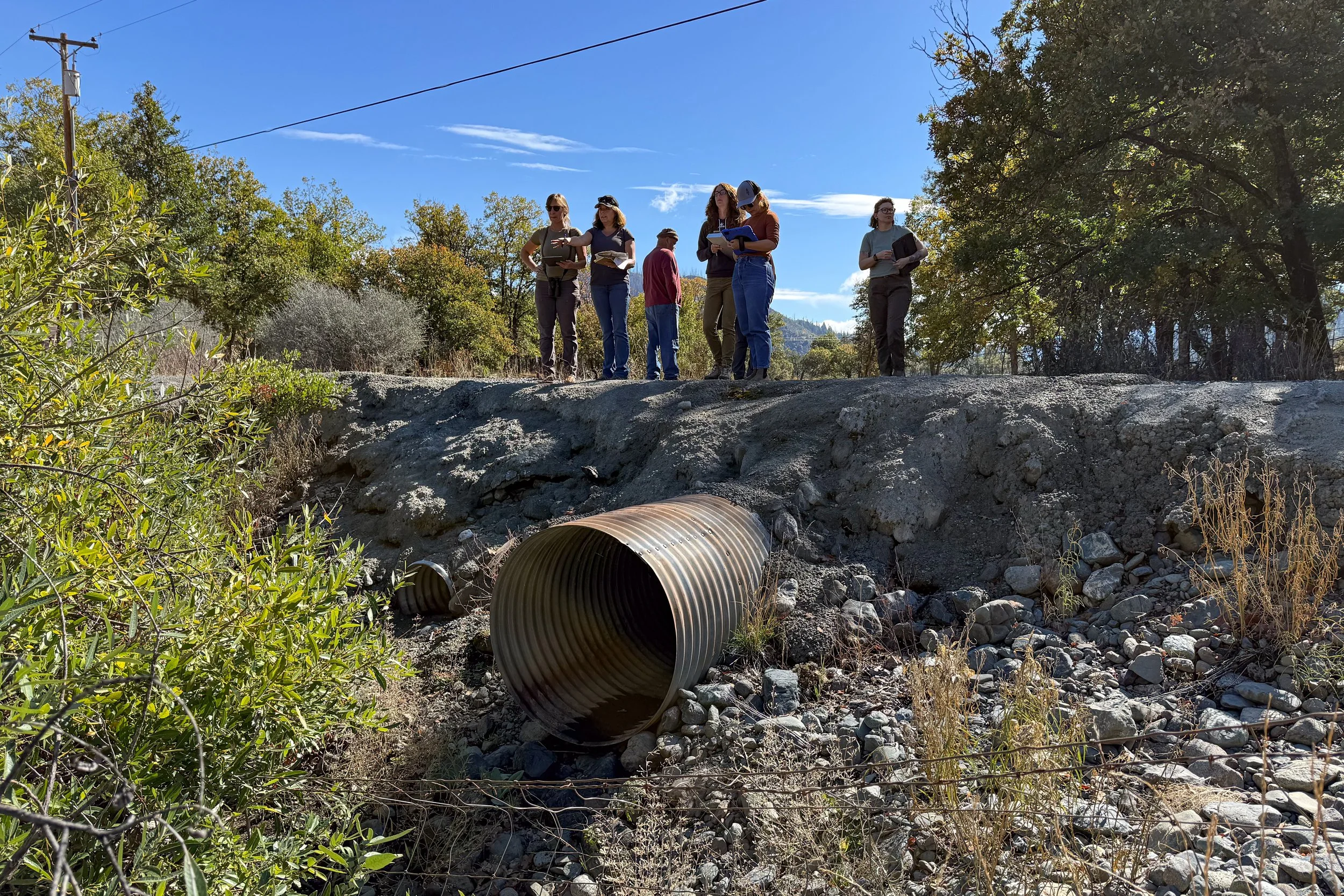
Partnering with Farmers
We work with farmers and landowners whose roads, ponds, or slopes need fixing to improve habitats for fish and wildlife. Each site is collaboratively assessed and prioritized based on ecological benefit, feasibility, and conservation durability.
Partnering with farmers
We’ve enrolled farmers and landowners whose roads, ponds, or slopes need fixes. Each site was reviewed for eligibility and prioritized based on ecological benefit, readiness, and landowner commitment.
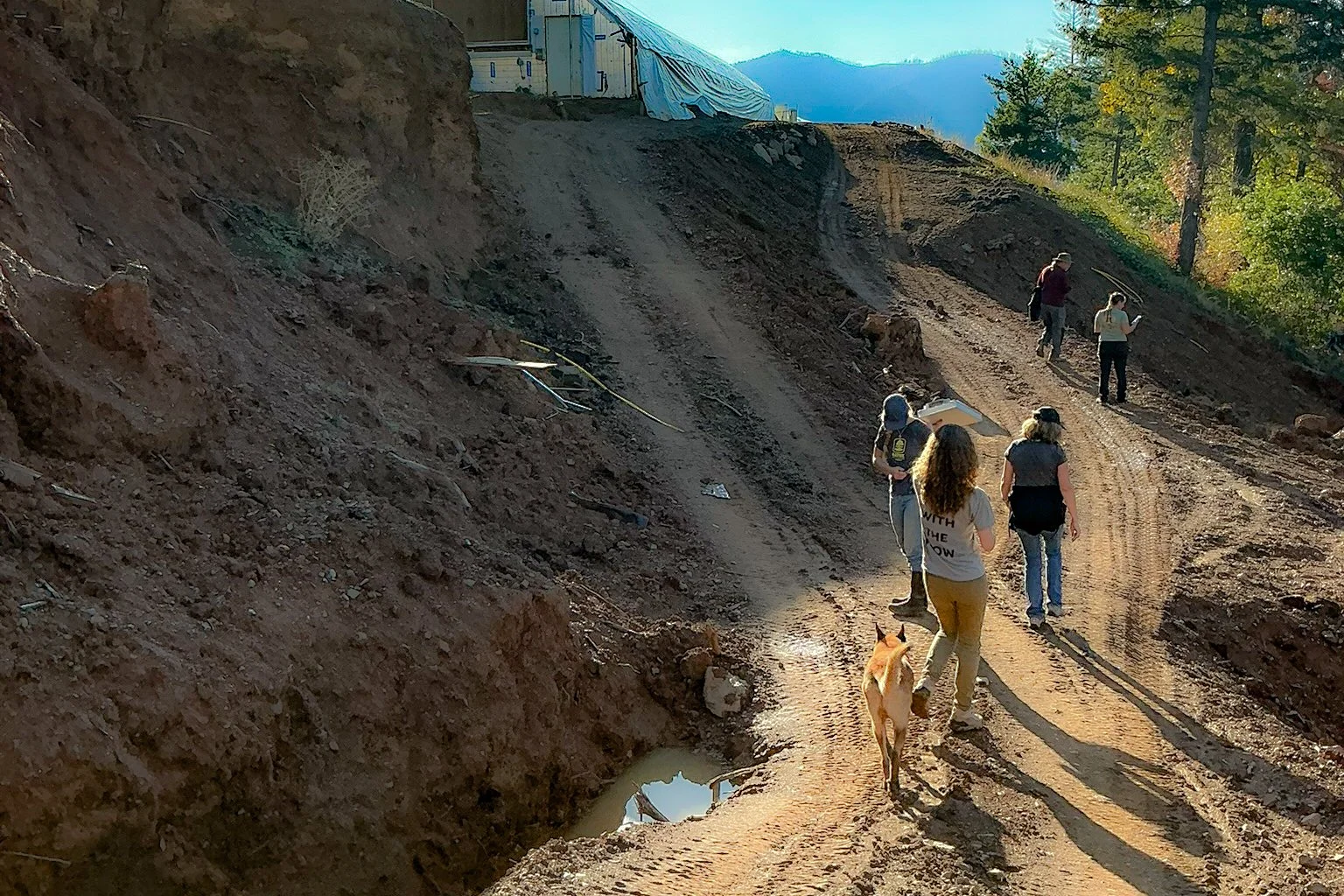
pLANNING & DESIGN
Our team develops restoration plans for each site, including field visits, erosion control measures, and engineering designs. Every project plan is reviewed by technical experts and approved before work begins.
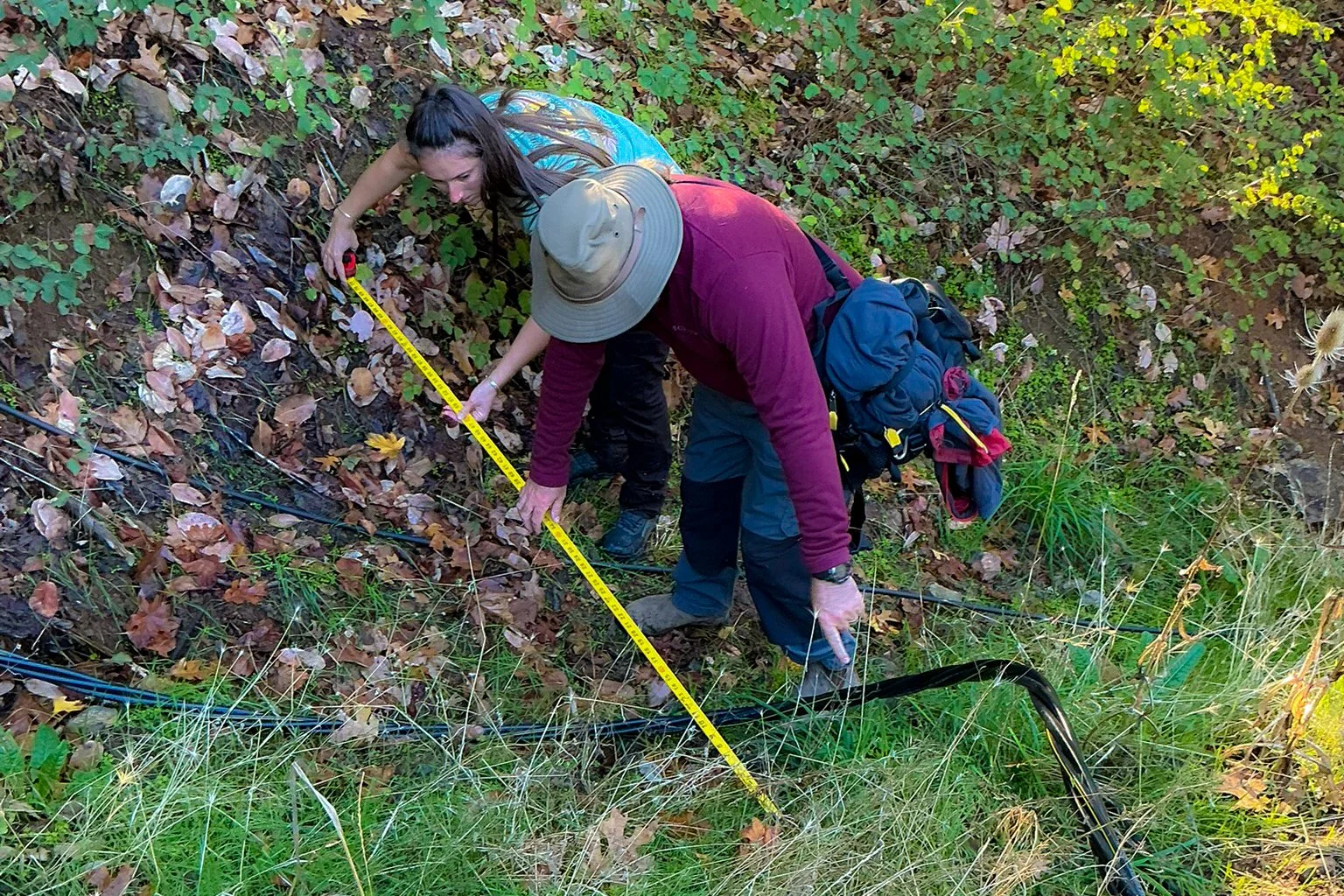
On-the-Ground Restoration
Once plans are approved, we put them into action: repairing roads and culverts, stabilizing slopes, decommissioning failing ponds, restoring streams, and planting native vegetation. Licensed contractors and biologists oversee construction to ensure it’s done right.
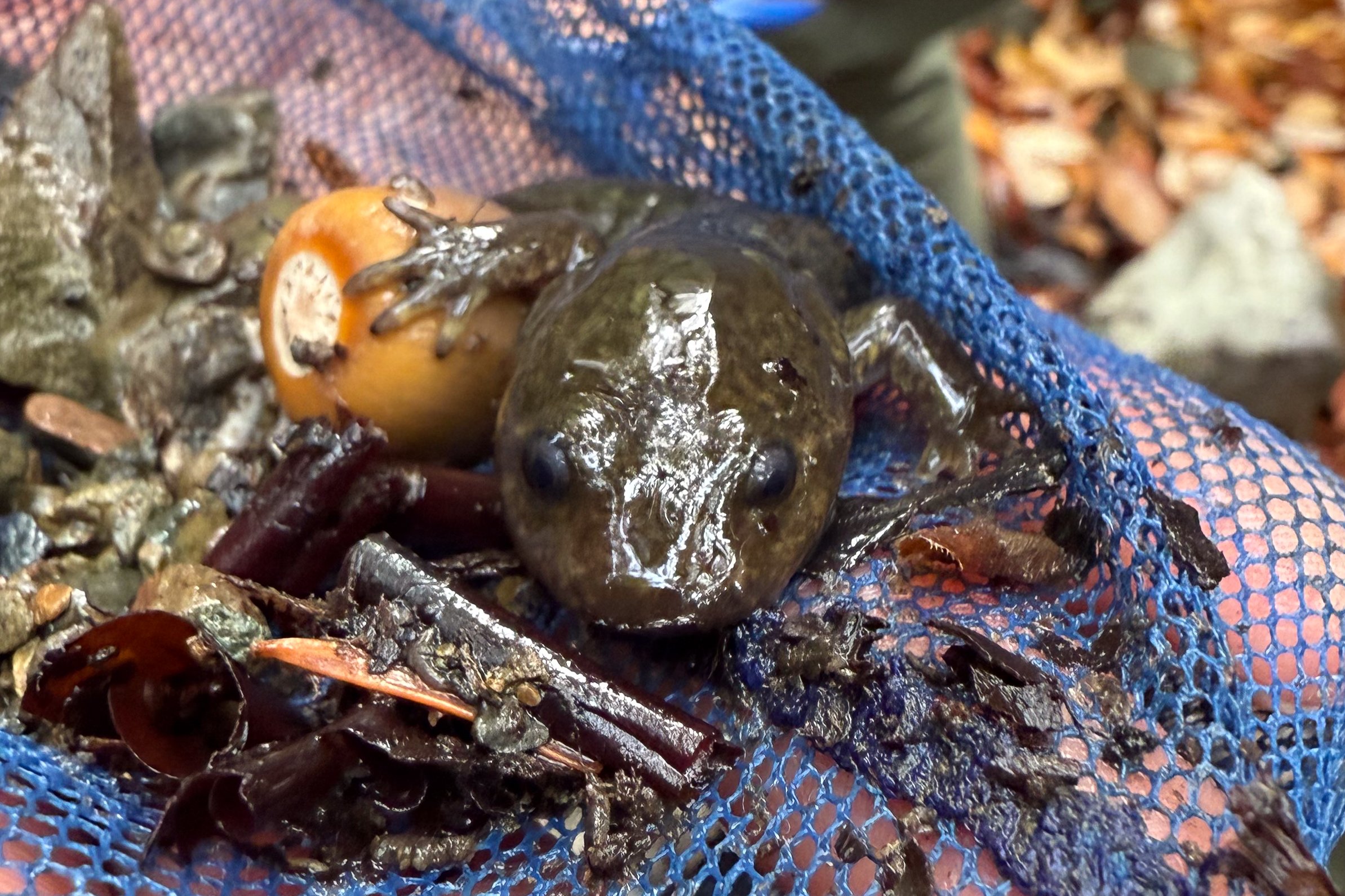
Environmental Protection
Each project includes natural resource surveys, biological assessments, and cultural resource reviews to make sure restoration work protects sensitive species and complies with California environmental law.
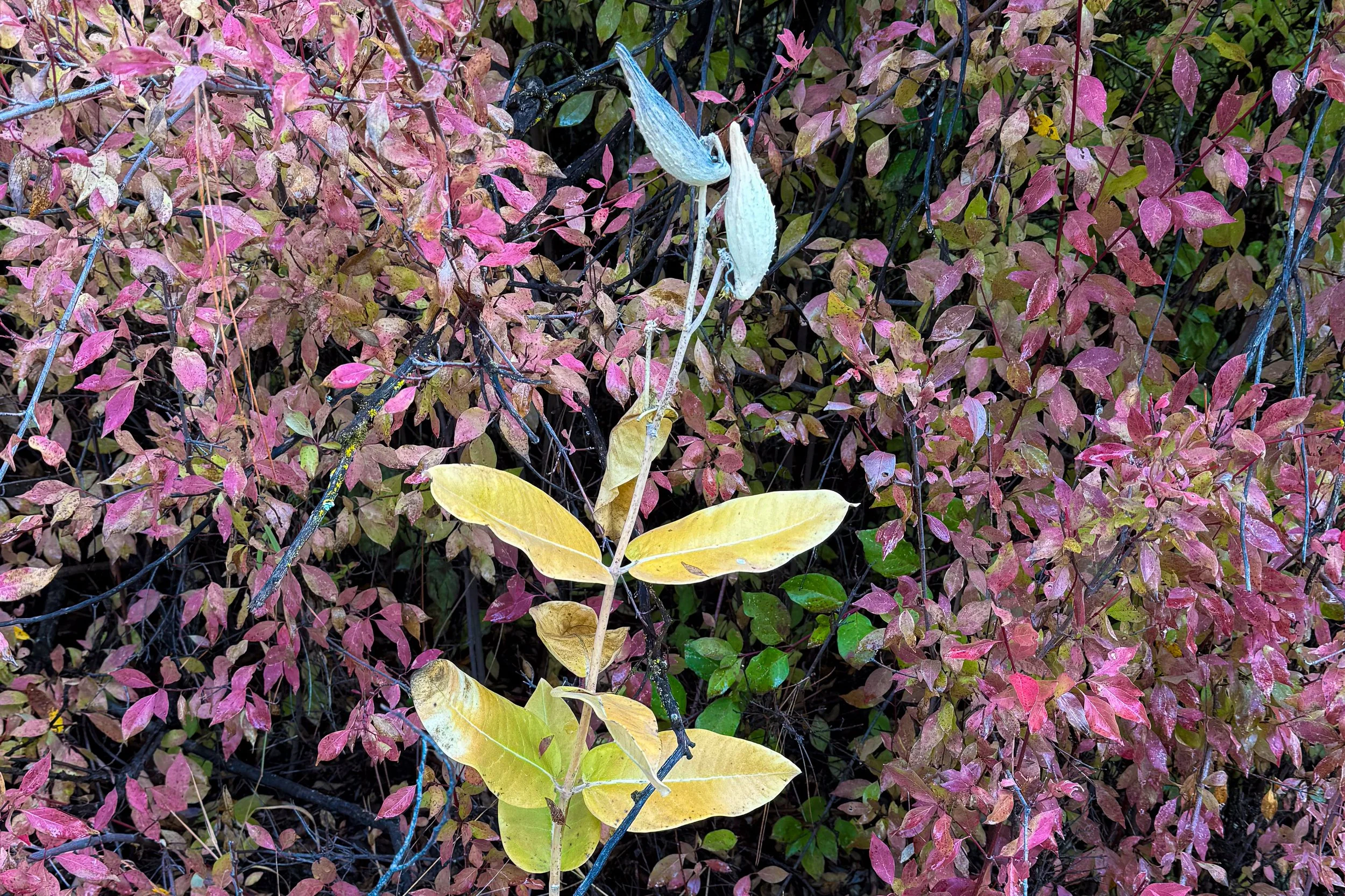
Native Plant Nursery & Revegetation
To support long-term success, we’re building a native plant nursery. This nursery will grow genetically appropriate local plants used to revegetate disturbed sites, restore habitat, and stabilize soils.
Partners
Cannabis for Conservation works with a trusted team of experts to deliver this project from start to finish: Flowra, Northpoint Consulting Group, Native Ecosystems Inc., and Margro Advisors. Together, these partners bring the experience needed to turn restoration plans into real improvements for streams, salmon, and rural communities.


Funding Acknowledgement
Funded by The California Department of Fish and Wildlife – Cannabis Restoration Grant Program.
Get Involved
🌱
Get Involved 🌱
Stay connected as this project moves forward and as new opportunities open up:
everyone
Be the first to hear about upcoming workshops, webinars, volunteer events, and future opportunities to participate.
landowners
Complete our Restoration Project Questionnaire to help us assess your site to determine project readiness for sediment reduction and our Restoration Interest Form to express your interest and needs for future restoration or stewardship efforts.
partners & funders
Interested in supporting ecological restoration in Northern California? Contact us to collaborate or donate to CFC’s mission.
Questions about the Sediment Reduction Project? Email info@cannabisforconservation.org or call 707-630-3144.
Disclaimer: All CFC owned/created educational content is released under a Creative Commons Attribution-NonCommercial-NoDerivatives 4.0 International License (CC BY-NC-ND 4.0), which permits sharing with attribution for non-commercial purposes, but does not allow modifications or derivative works without prior written permission from CFC.