
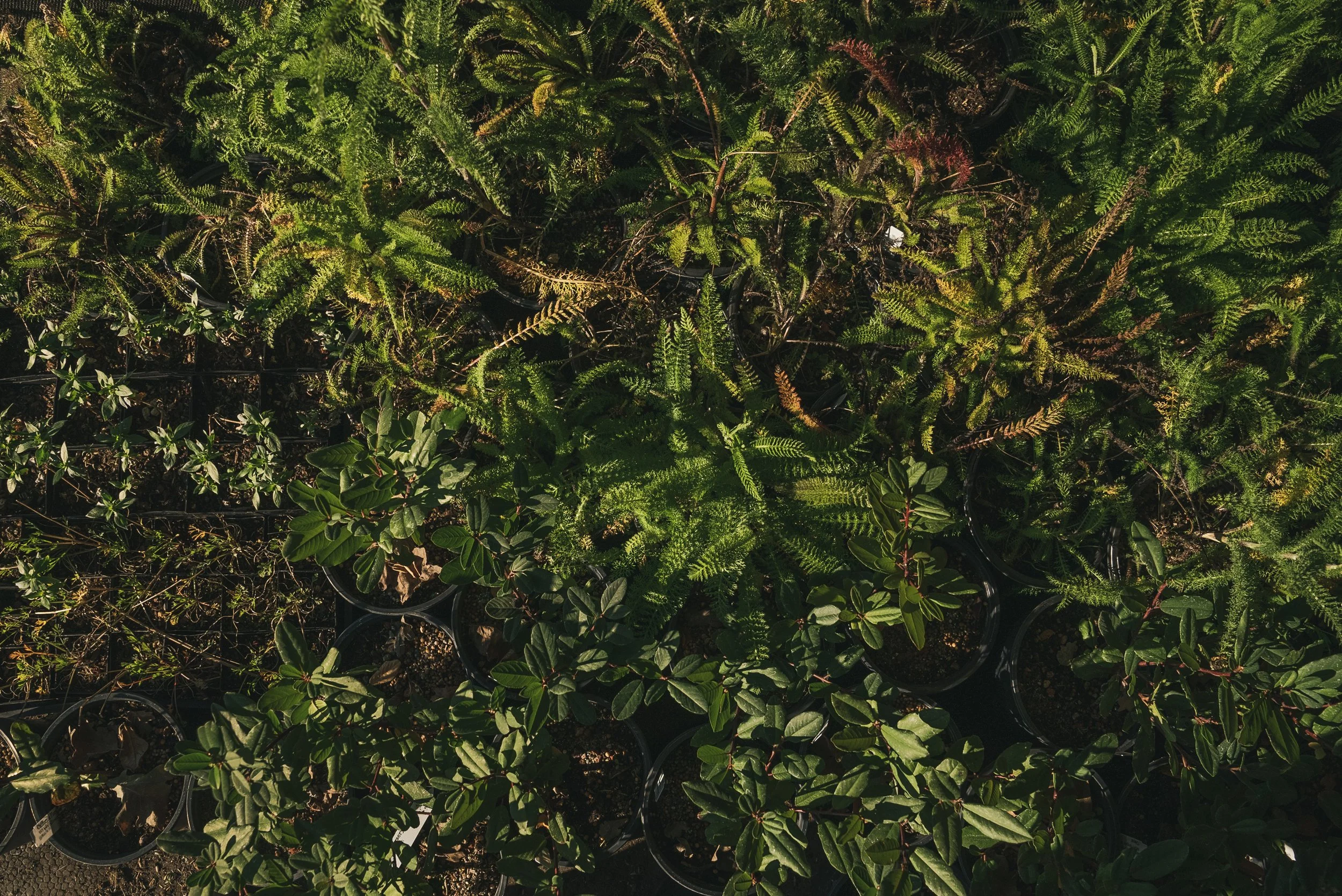
Growing native plants is one of the best ways to support pollinators and local wildlife, conserve water, and create gardens and landscapes that are resilient to climate change and wildfires. Native plants often have low maintenance requirements and thrive without chemical fertilizers or pesticides. Many are also valuable as culinary plants and have documented traditional uses as herbal medicines.
Here's a mix of groundcovers, grasses, herbs, shrubs, and trees suited to different conditions present in Northern California. Many are deer-resistant, drought-tolerant, and great choices for beginner gardeners.
Groundcovers & Lawn Alternatives
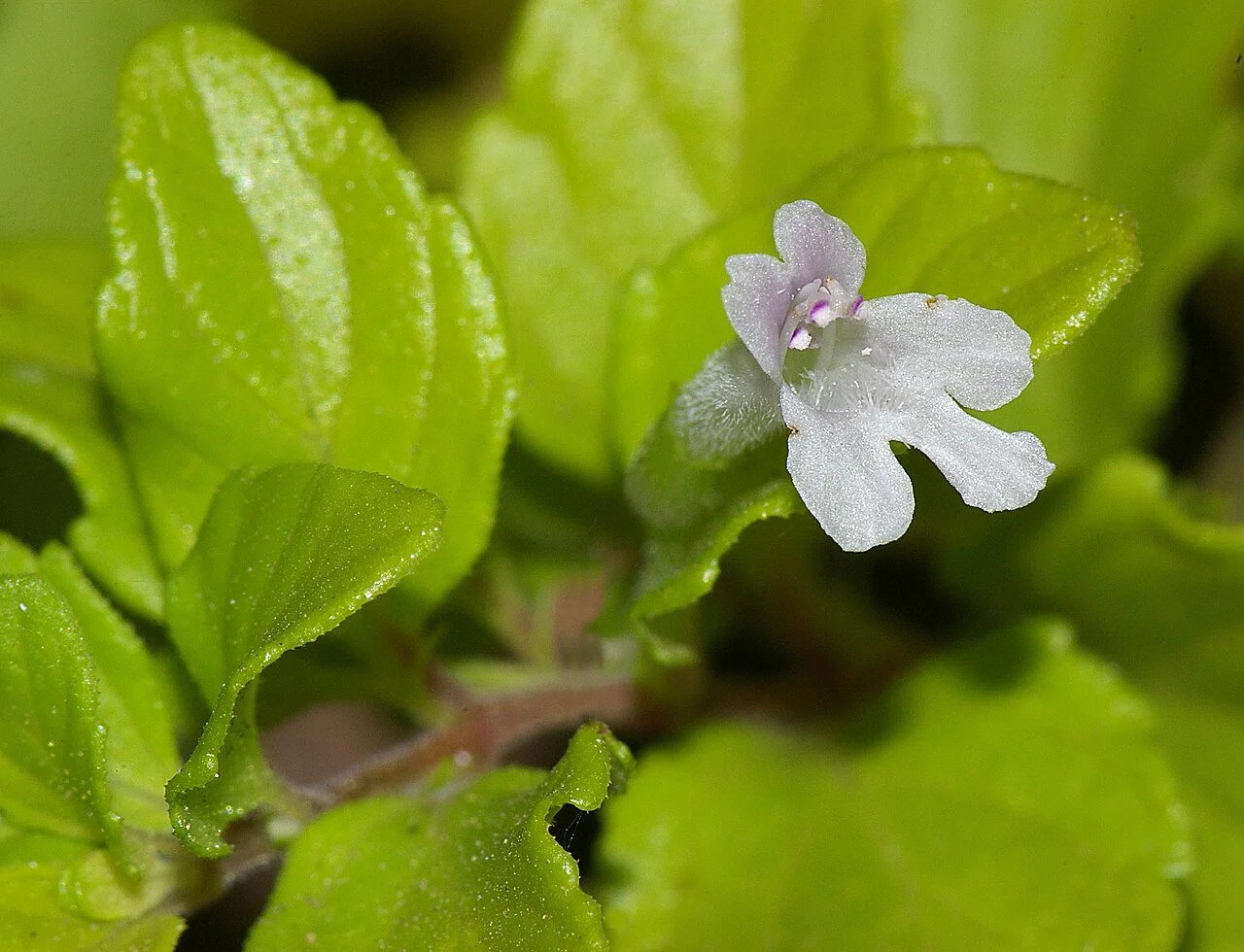
Yerba Buena (Clinopodium douglasii)
– Fast-growing mat-former with a minty aroma
– Grows in sun or part shade
– Great in containers, lawns, or under trees
– Traditionally used as a medicinal tea for common colds and as a culinary herb
Sources: Calscape – Clinopodium douglasii; Moerman, D.E. Native American Ethnobotany Database
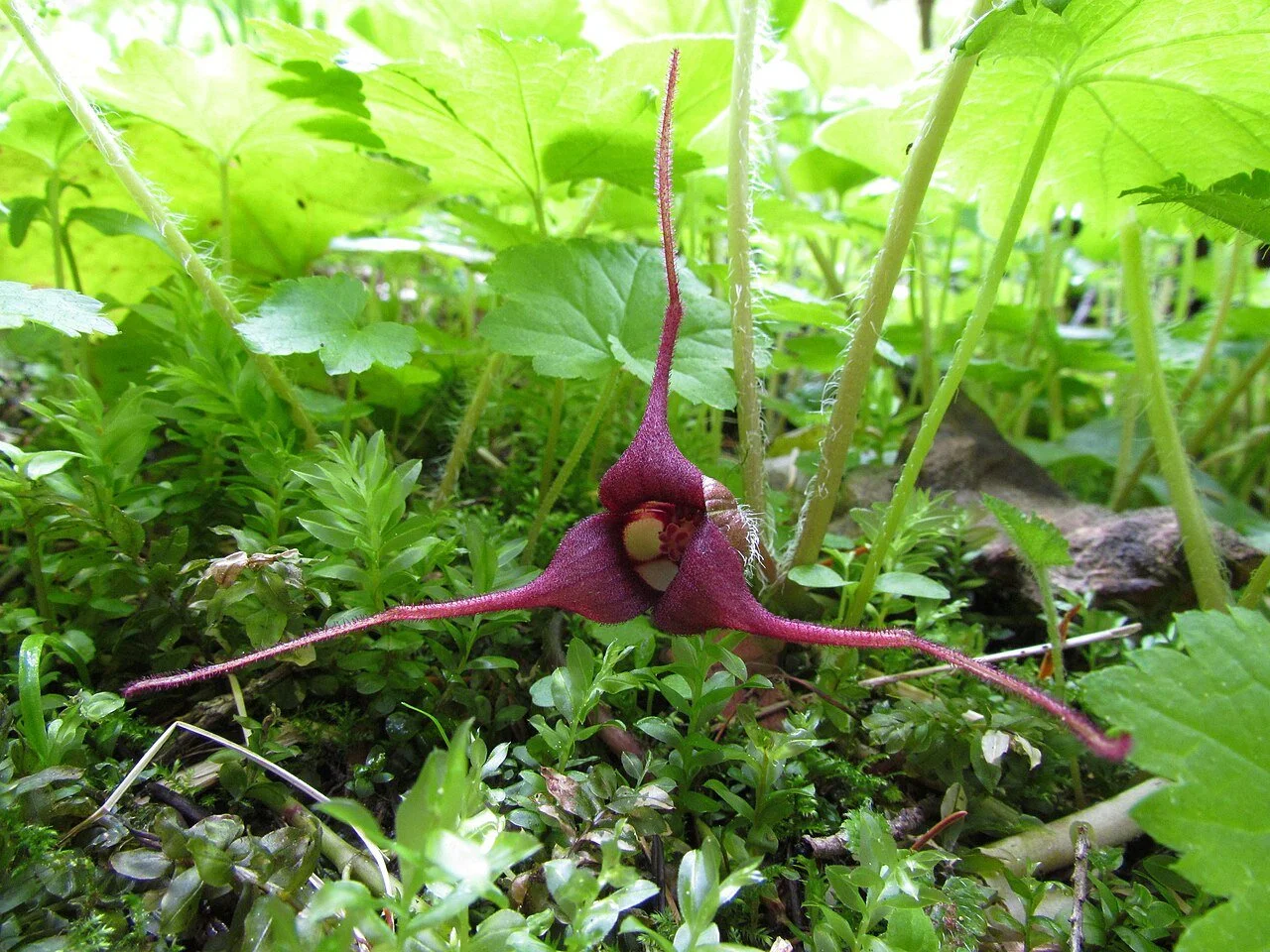
Wild Ginger (Asarum caudatum)
– Thrives in moist soil in full shade; best for use in established shade gardens
– Requires regular watering and does not tolerate direct sunlight
– Heart-shaped leaves with a gingery scent
– Evergreen, deer-resistant, spreads by rhizomes
– While ethnobotanical accounts report the use of wild ginger as a medicinal plant, it is not recommended to use it internally, as the rhizome has potentially toxic compounds.
Sources: Calscape – Asarum caudatum; USDA Forest Service – Wild Ginger
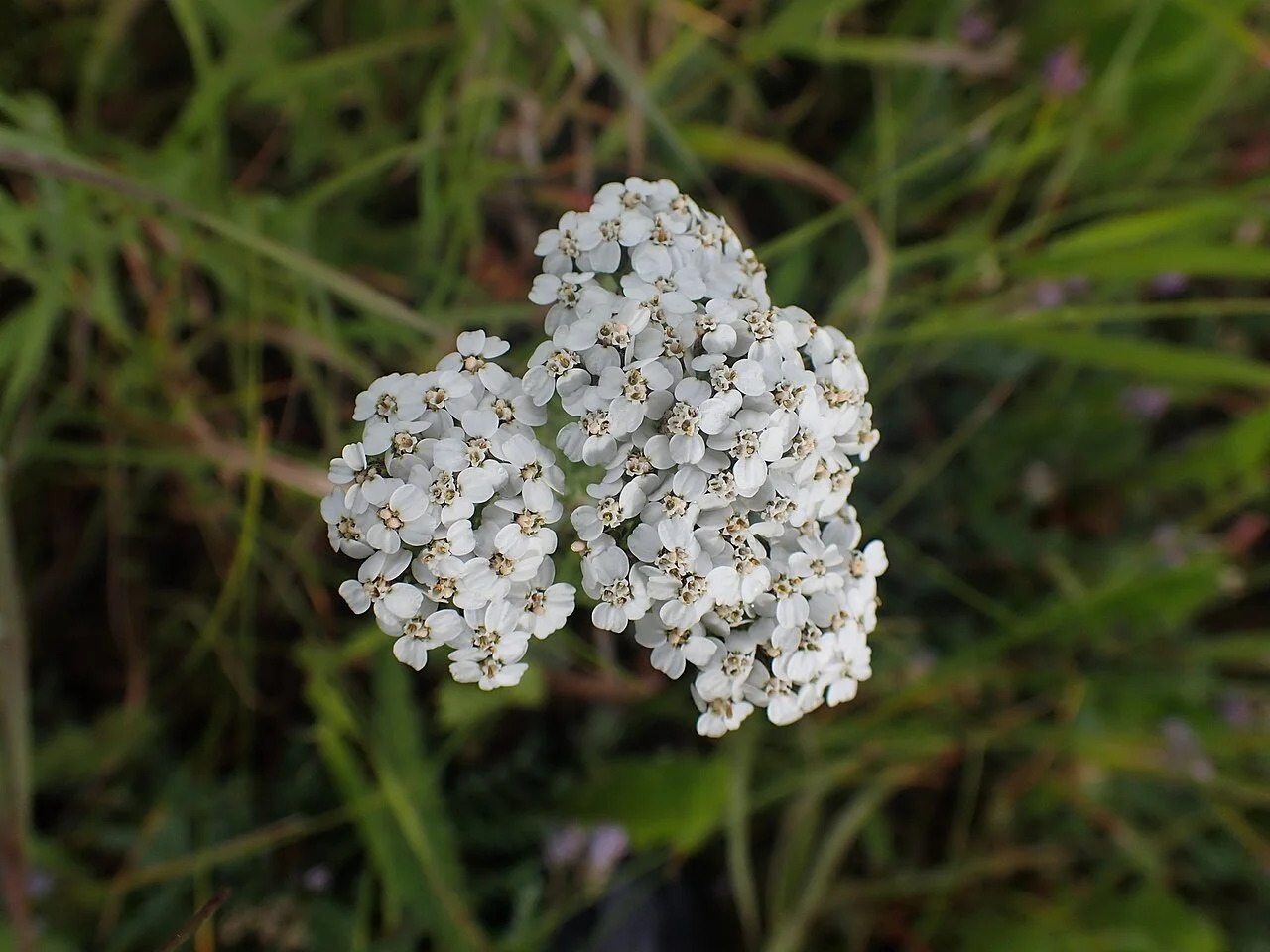
Yarrow (Achillea millefolium)
– Perennial herb with ferny foliage that attracts pollinators
– Durable and easy for beginners to grow
– Spreads by seed and rhizome; makes a great groundcover as a lawn replacement
– Traditionally used for wound care, fever, and other first aid applications
Sources: Calscape – Achillea millefolium; Native American Ethnobotany Database – Achillea millefolium
Grasses for Habitat and Texture
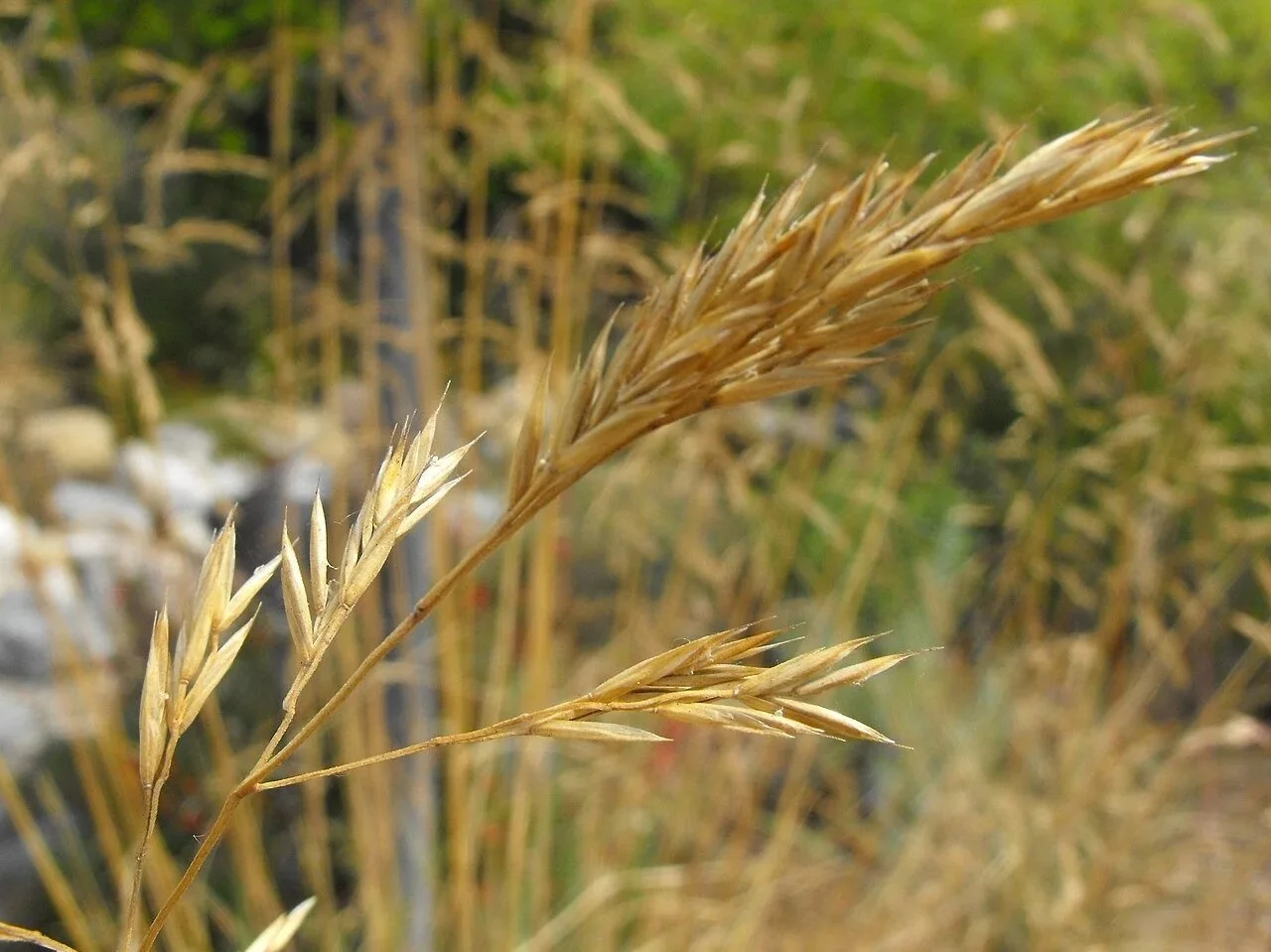
California Fescue (Festuca californica)
– Low water needs; in summer, limit irrigation to 3 times per month; prefers loamy/clay soils
– Use in meadow-style plantings or erosion control
– Host species for butterflies and moths
– Elegant bunchgrass for slopes or garden beds; useful for revegetating grassland that has been colonized with non-native species
Source: Calscape – Festuca californica
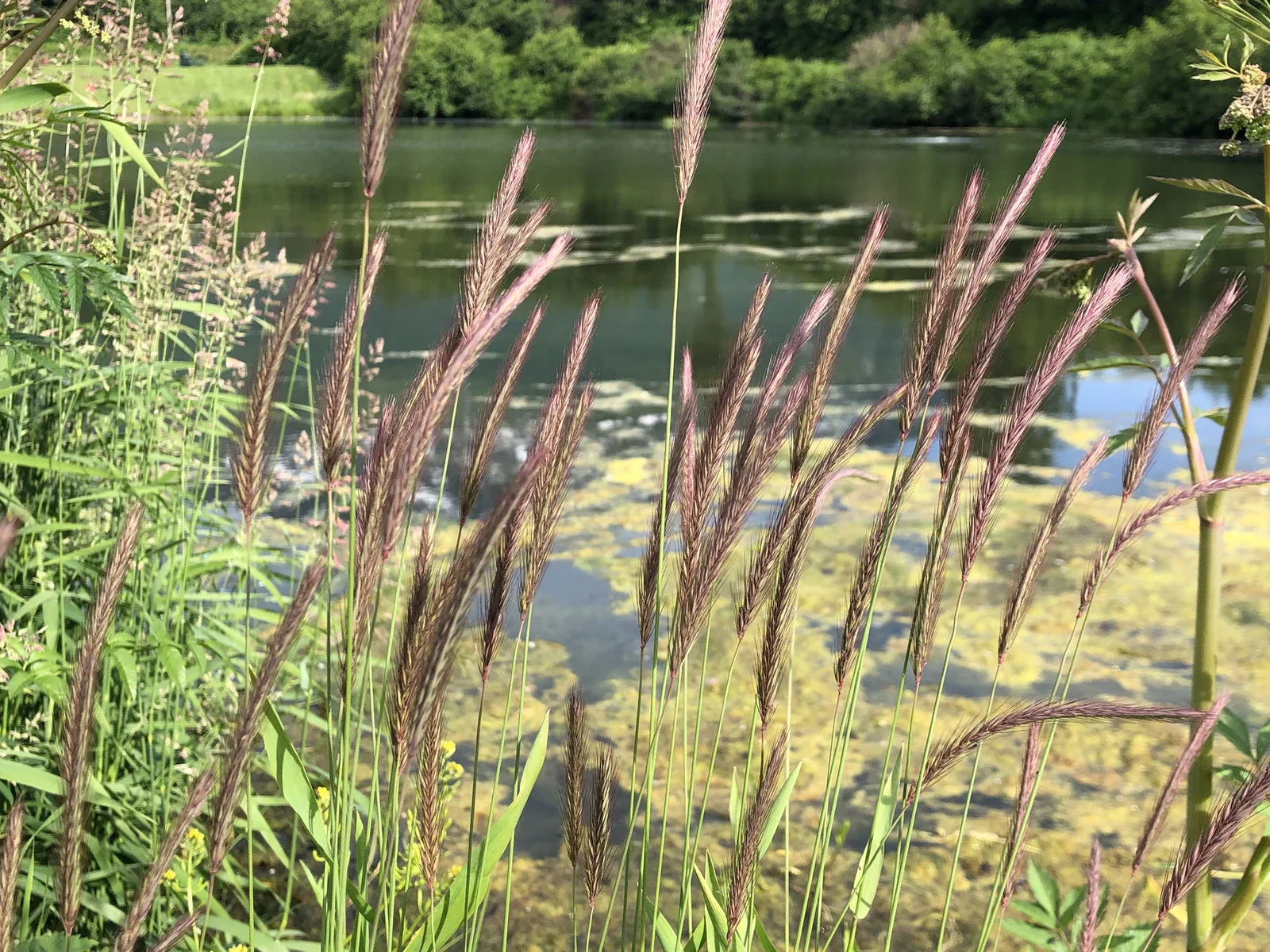
© Jason Grant, CC BY-SA 4.0, via Easyscape
Meadow Barley (Hordeum brachyantherum)
– Tufted perennial grass
– Cold- and deer-tolerant
– Minimal water needs and tolerates cold to -15° F
– Attracts butterflies, bats, and caterpillars
Shrubs for Hedges, Habitat, and Slope Stability
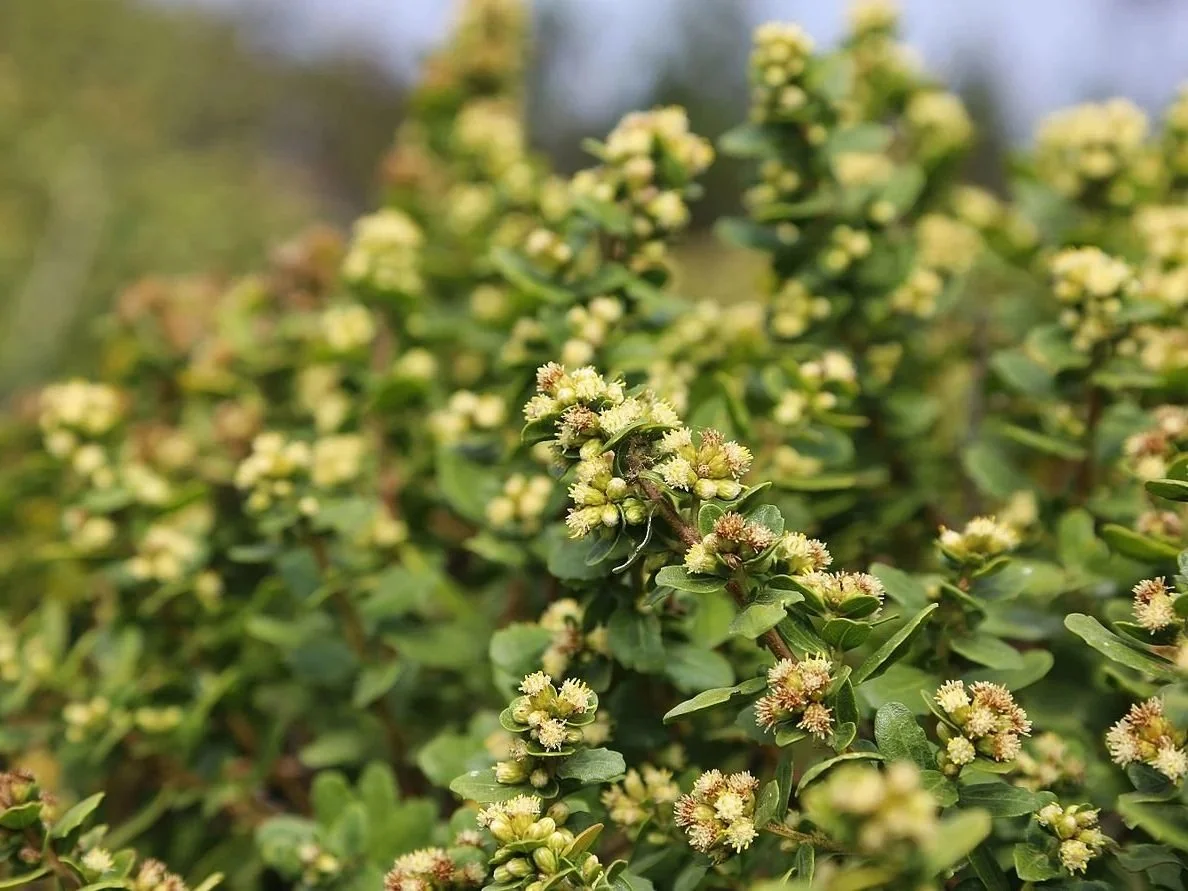
by Peter Pearsall, U.S. Fish and Wildlife Service
Coyote Bush (Baccharis pilularis)
– Tough, adaptable evergreen shrub
– Fire-resistant and great for erosion control
– Makes a hardy hedge; supports pollinators and birds
– Tolerates drought and recycled water
Source: Calscape – Baccharis pilularis
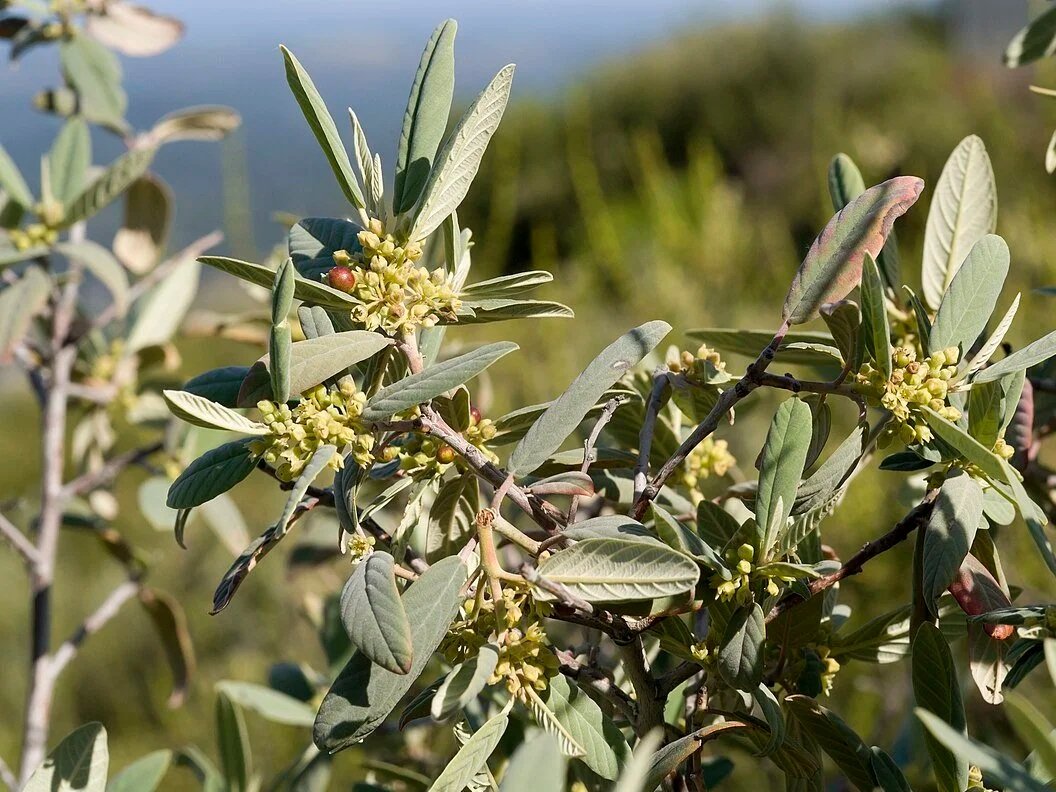
Coffeeberry (Frangula californica)
– Evergreen shrub with red-to-black berries that thrives in full sun to part shade
– Attracts birds, butterflies, and native bees
– Excellent in hedgerows or containers, and for bank stabilization
Source: Calscape – Frangula californica
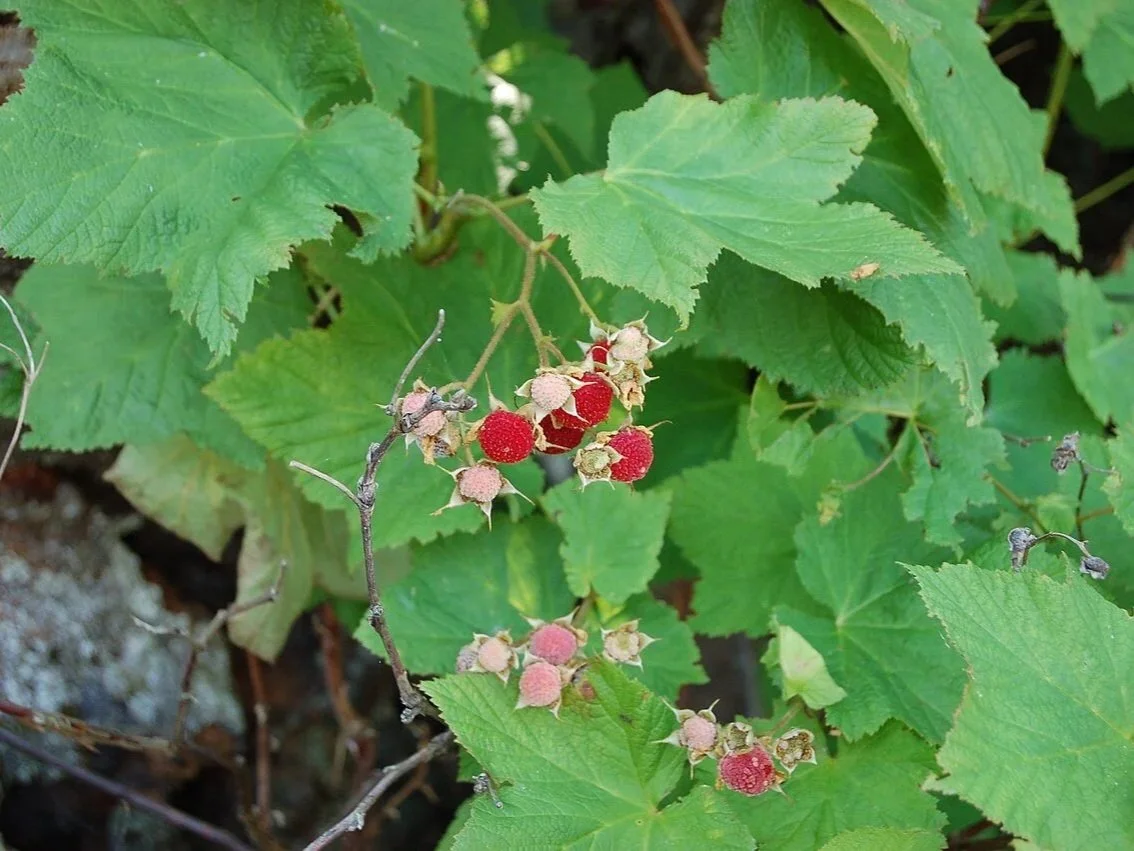
Thimbleberry (Rubus parviflorus)
– Perennial shrub growing 4-8 ft. tall and spreading by underground rhizomes
– Produces large white flowers in the spring and edible red fruit that ripens in the summer
– Grows in partly shaded forested areas and on moist slopes
– Attracts pollinators including bees, butterflies, and moths, and berries provide food for wildlife
– Plant has many documented ethnobotanical uses, including berries, roots, and shoots used as food, beverages, and medicine for a variety of ailments
Sources: Calscape – Rubus parviflorus; Native American Ethnobotany Database – Rubus parviflorus
Flowering Perennials for Color & Wildlife
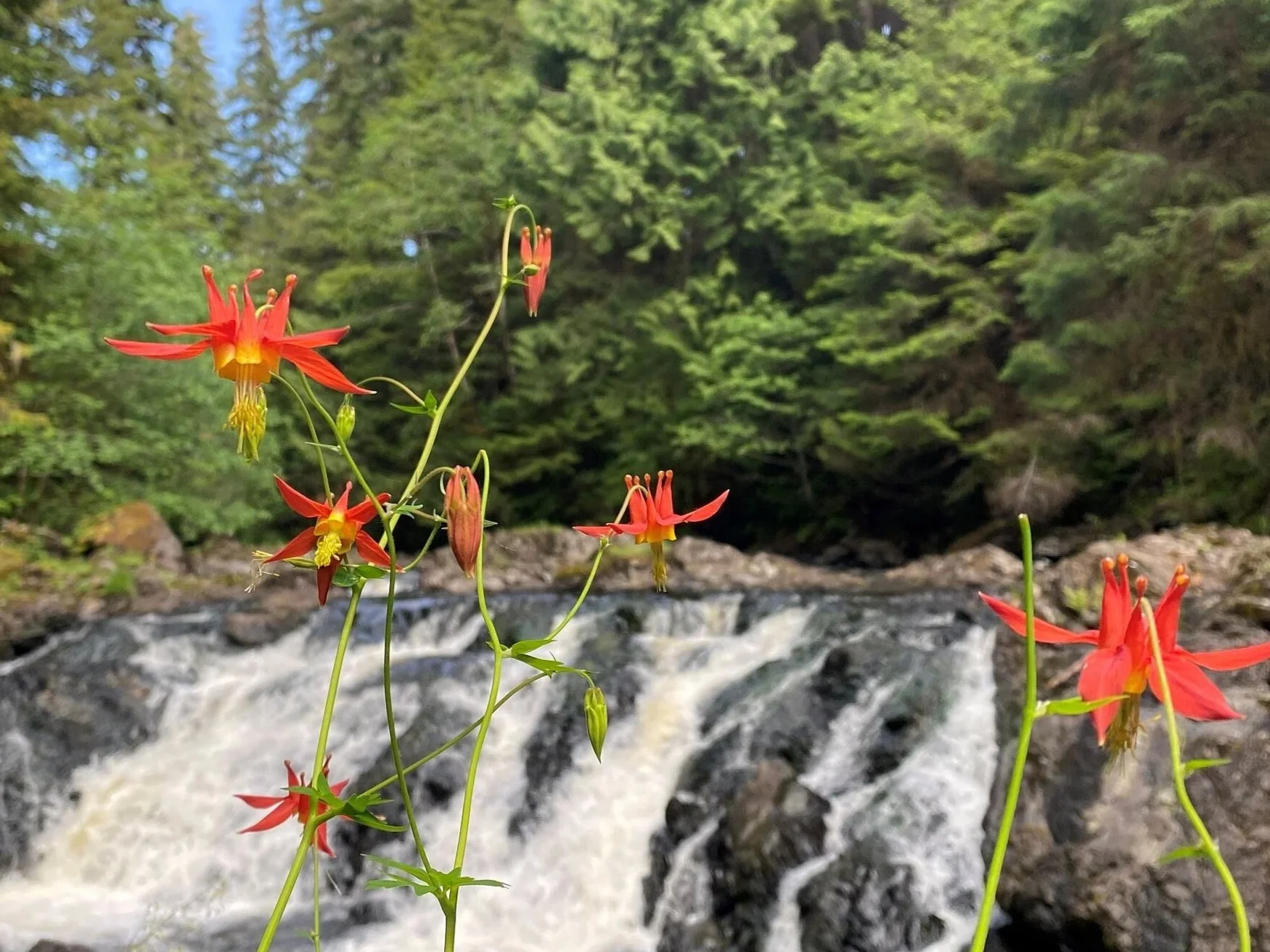
Western Columbine (Aquilegia formosa)
– Prefers moist, partly shady spots in compost-rich and well-draining soil
– Self-sowing (deadhead to control spreading); deer-resistant
– Tolerates serpentine soil and cold temperatures to 0°
– Bright red-and-yellow flowers that are attractive to hummingbirds and provide food for finches and other species of birds
Source: Calscape – Aquilegia formosa
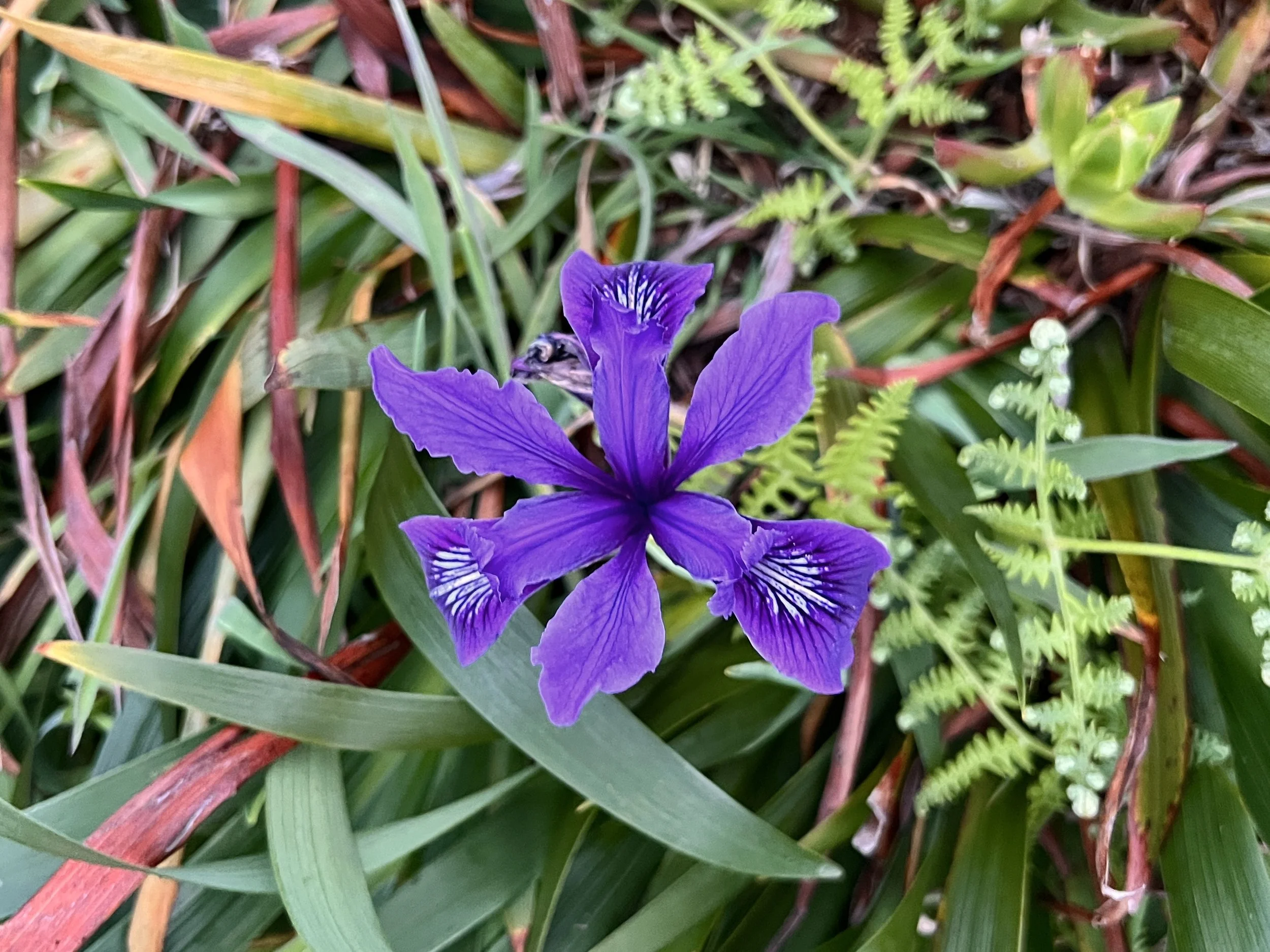
Douglas Iris (Iris douglasiana)
– Evergreen perennial with showy purple, blue, or cream flowers
– Tolerates shade, heavy soils, and serpentine
– Great for borders, woodland edges, rain gardens, or containers
– Self-sows and hybridizes with other Iris species; can be propagated by dividing in the winter
Source: Calscape – Iris douglasiana

© Peter D. Tillman, CC BY-SA 2.0, via Wikimedia Commons
Silver Lupine (Lupinus albifrons)
– Prefers full sun and has low water needs; summer irrigation should be limited to 2 times per month once established
– Prefers well-drained, nutrient-poor soil that is dry and sandy
– Supports many species of moths and butterflies
– Attractive perennial with silver-green foliage and large flower spikes of blue to deep purple blooms
– CAUTION: contains toxic alkaloids in seeds, leaves, and stems that are harmful to humans and livestock
Sources: Calscape – Lupinus albifrons; Theodore Payne Foundation – Lupinus albifrons
Larger Plants for Structure & Shade

© Eugene Zelenko, CC BY-SA 4.0, via Wikimedia Commons
California Bay Laurel (Umbellularia californica)
– Aromatic evergreen tree for shade, screening, and bank stabilization
– Fast-growing once established; tolerates clay/serpentine
– Forms a tall tree of 20-45 feet, so plant with room to grow, or prune to maintain as a large shrub
– Leaves traditionally used to repel insects and fruits roasted and prepared as a traditional food
– Note: Releases terpenes that kill off competing plants, which limits understory plantings
– Natives such as Coffee berry (Frangula californica), silk tassel (Garrya elliptica, G. fremontii), Oak (Quercus spp.), and California wild grape (Vitis californica) are compatible companion plants.
Sources: Calscape – Umbellularia californica; Native American Ethnobotany Database – Umbellularia californica

© Andrea Moro, CC BY-SA 4.0, via Wikimedia Commons
Red Osier Dogwood (Cornus sericea)
– Spreading deciduous shrub with striking red stems and white summer flowers
– Excellent for hedges, thickets, or wetland restoration
– Supports 13+ species of butterflies and moths; attracts birds and pollinators
– Ethnobotanical uses include as a dye plant producing red and yellow dyes, in basketry, and for ceremonial purposes
Sources: Calscape – Cornus sericea; Native American Ethnobotany Database – Cornus sericea
Additional Resources:
Calscape – California Native Plant Landscaping — Enter your zip code to see which of these plants are available near you and get personalized planting recommendations.
North Coast CNPS – Gardening Resources — Plant lists, design tips, and free native plant consultations
Calflora — Distribution maps and occurrence data for California native plants