

Header image depicts a resting western screech owl (Megascops kennicottii) in a white oak (Quercus garryana) cavity on a cannabis farm in Trinity County, CA.
Small changes to your land can make a big difference for wildlife, and the timing of when you make them matters as much as what you do. Below are trusted resources for improving habitat on your property, along with seasonal tips for Northern California so your work helps wildlife at the right time of year.
Pollinators
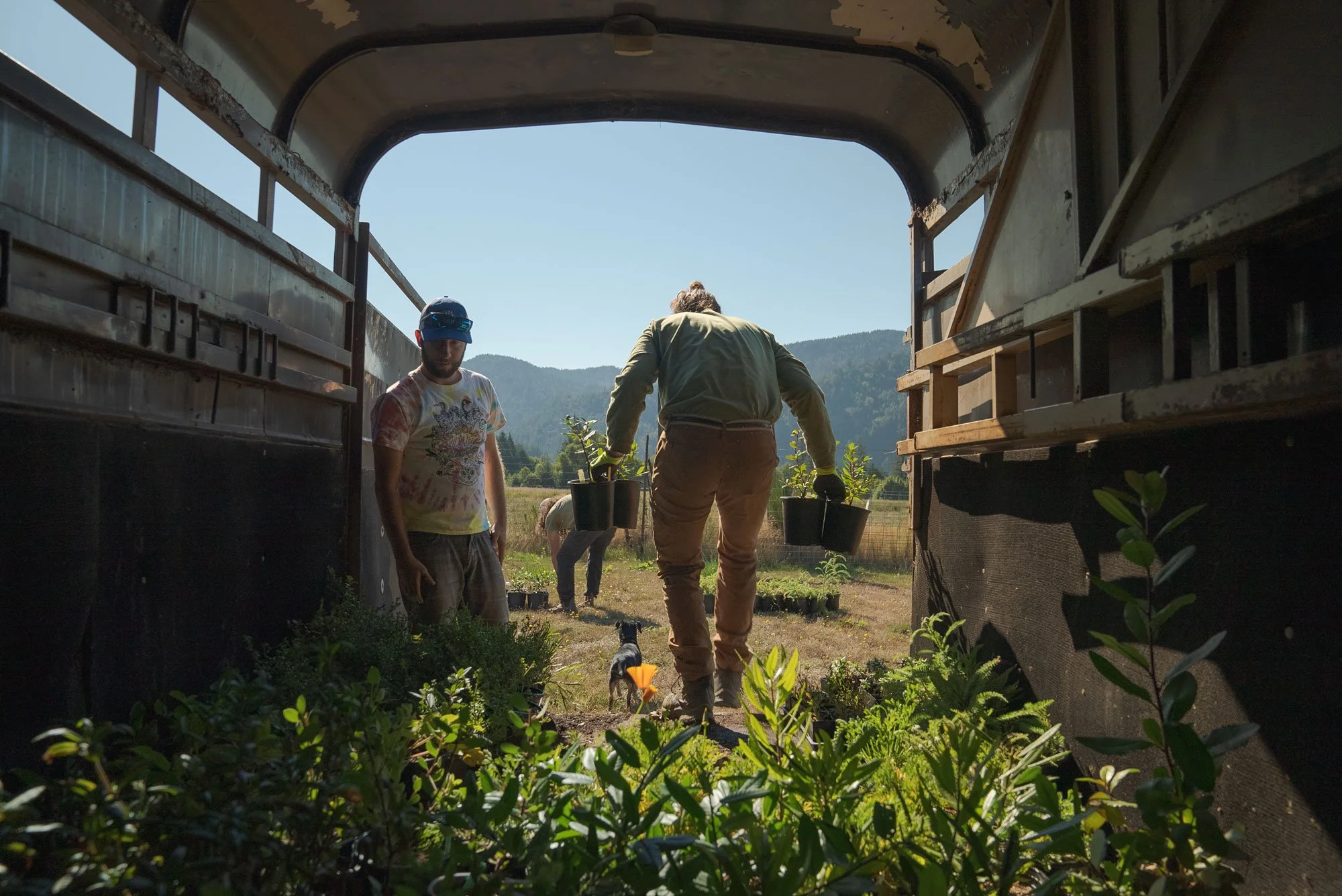
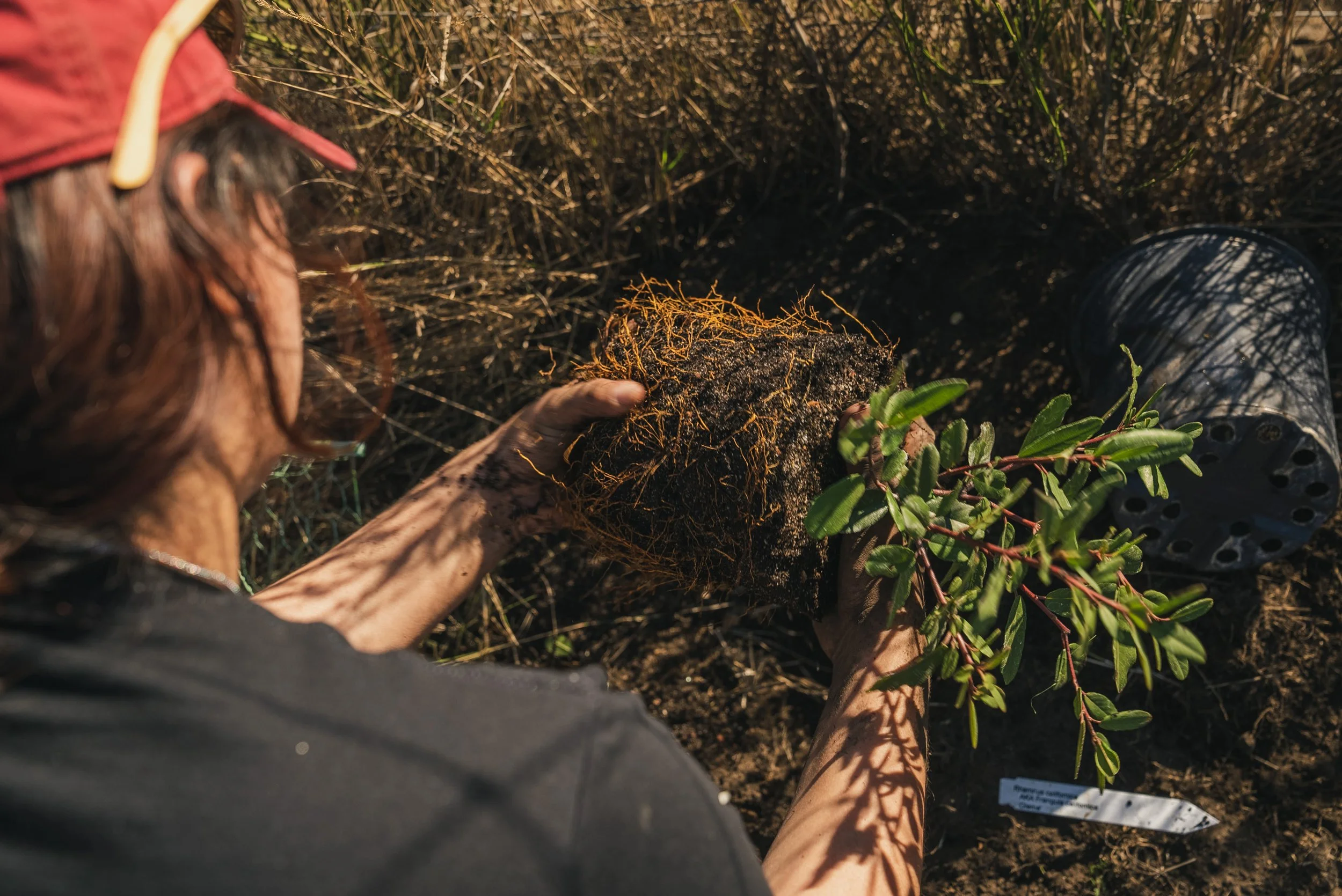
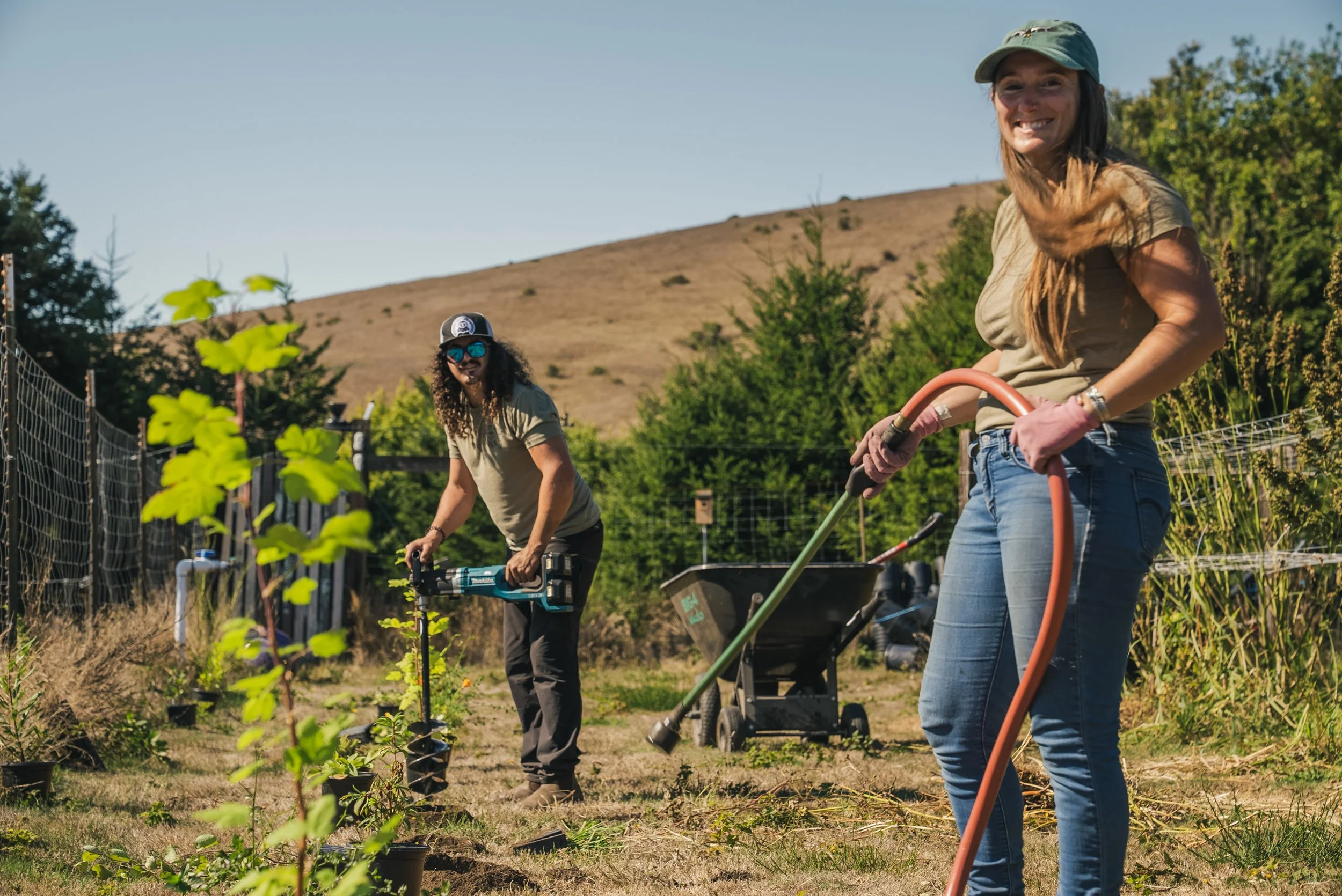
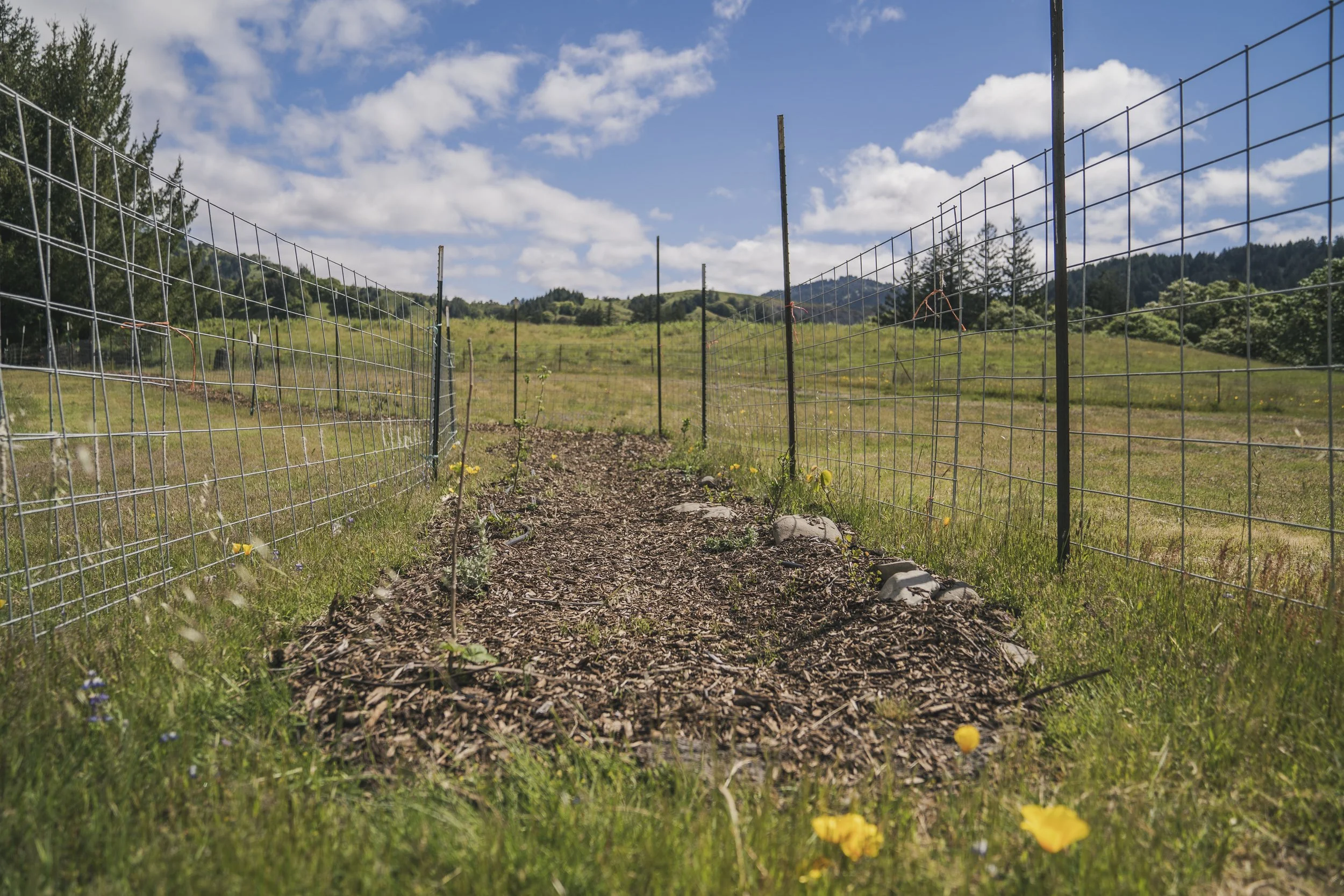
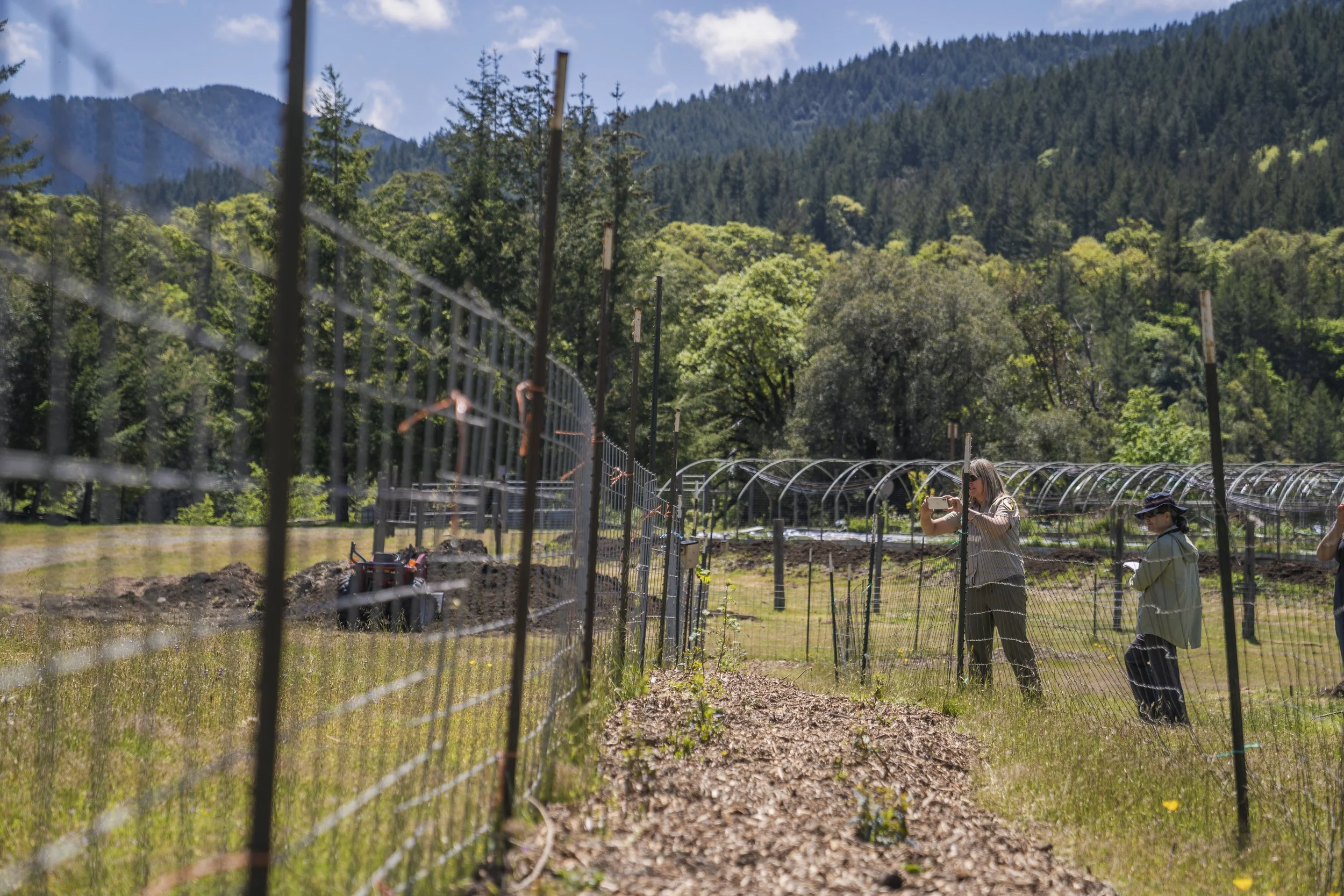
Pollinators as a group include many species of birds, bats, bees, butterflies, wasps, flies, and many other species of insects. They provide critical ecosystem services through pollination, which facilitates the movement of pollen between plants of the same species. Pollination is essential for many plants’ reproduction, which in turn allows them to produce fruit and seeds and continue to thrive as a species. Pollinators are in decline worldwide in large part due to habitat loss. Help pollinators by creating pollinator patches with native plants that provide food resources and habitat for other life history stages.
See the Xerces Society California Pollinator Resource Center for a pollinator-friendly native plants list.
Other helpful resources: Bee Friendly Farming; Nesting and Overwintering for Pollinators.
When to do it
Fall and winter: Plant native wildflowers and shrubs with the first rains, include flowering plant species that bloom in the early, middle, and late season to provide habitat for pollinators throughout the year. Native bumble bees need places to nest and overwinter. Abandoned rodent burrows, leaf litter, and downed woody debris can all provide that habitat, and many butterflies spend the winter as eggs or chrysalises in that same litter. So avoid filling in old burrows and leave some litter and logs in place, ideally disturbing it as minimally as possible throughout winter months.
Spring: Bumble bee queens and early butterflies emerge hungry, needing flowers right away. Those early bloomers you planted like manzanita, ceanothus, and currant are a big help (but be sure to use plant species native to your geographic area as many pollinator species can be depending on a few or just a single flowering plant species!).
Summer: With spring wildflowers fading, it’s time for the dry season plants you grew to keep pollinators going strong, so sit back and observe! Summer (and late spring) is peak nesting season for many bumble bee species, and other pollinators like butterflies will be in full splendor as well. Keep an eye on what they are using (or not) in your yard so you can plant more or change up the palette for next year.
Songbirds and Other Small Wildlife
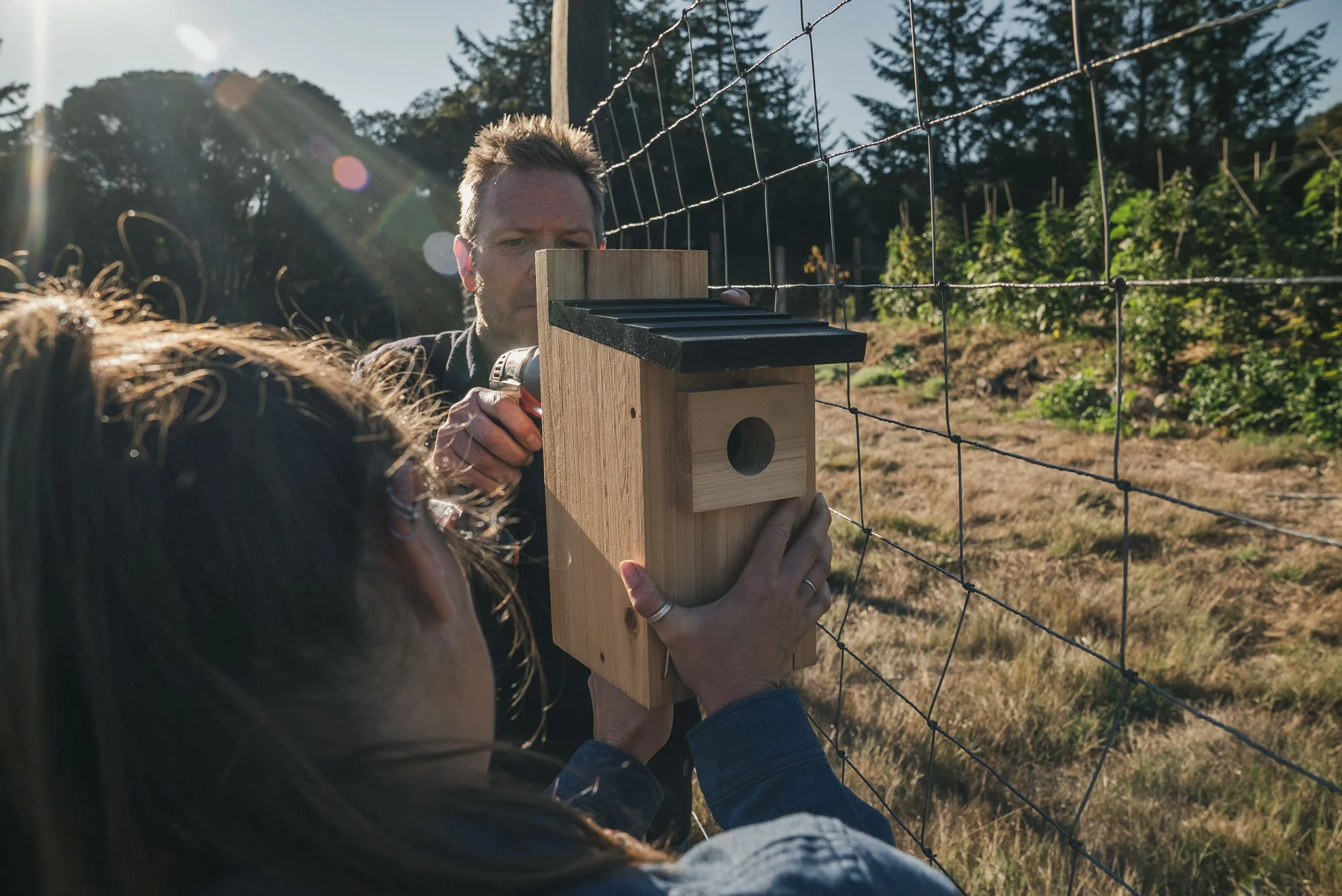
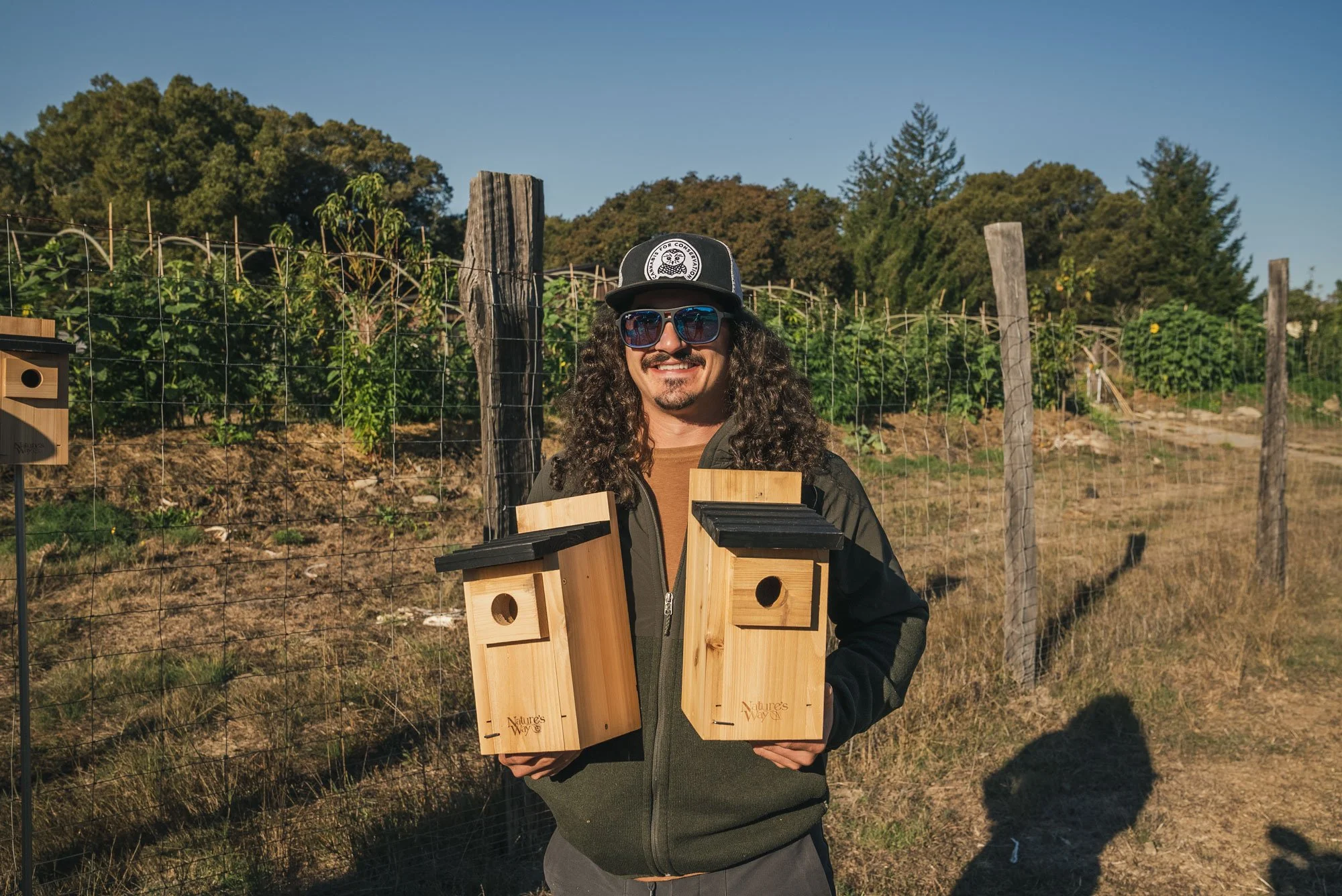
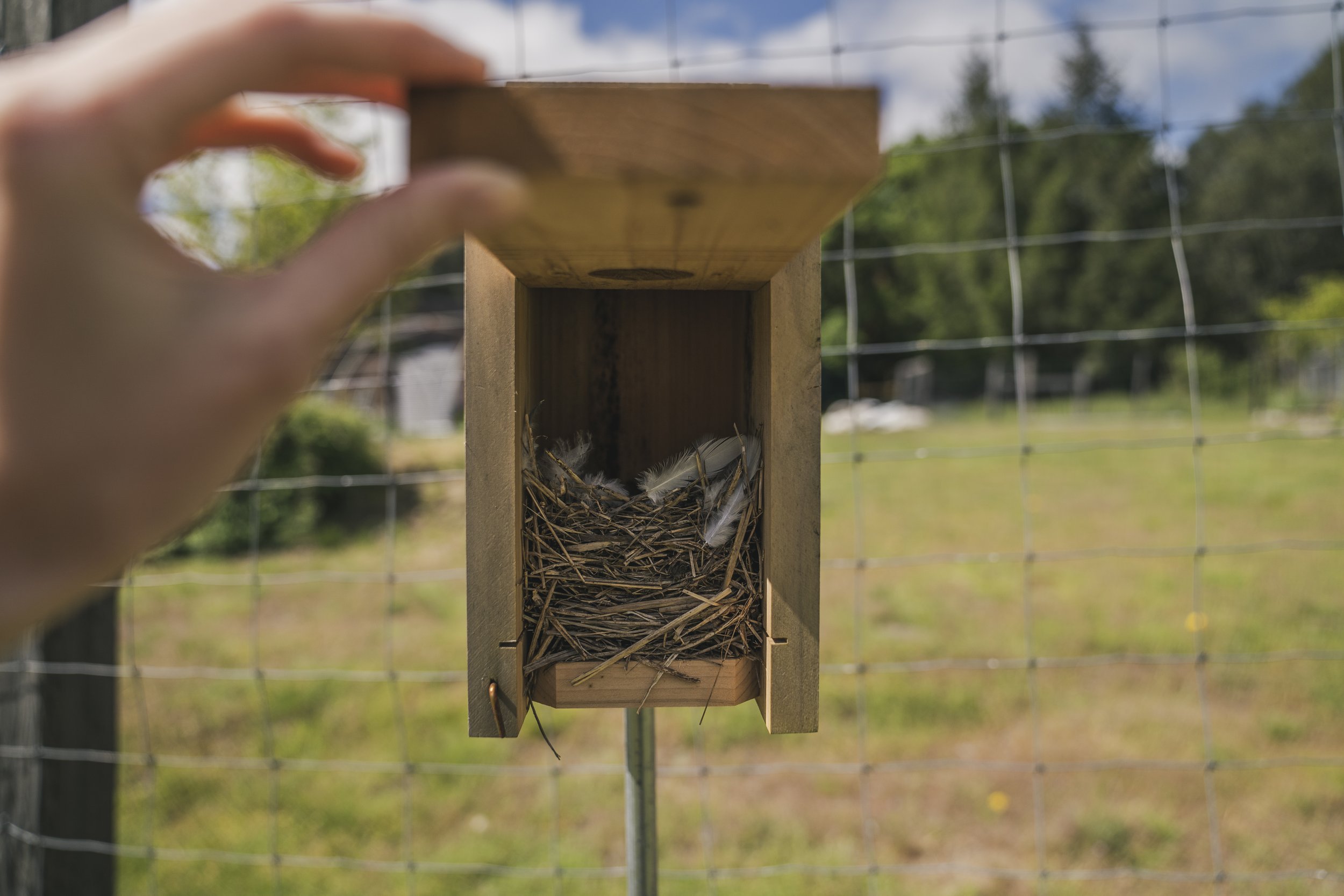
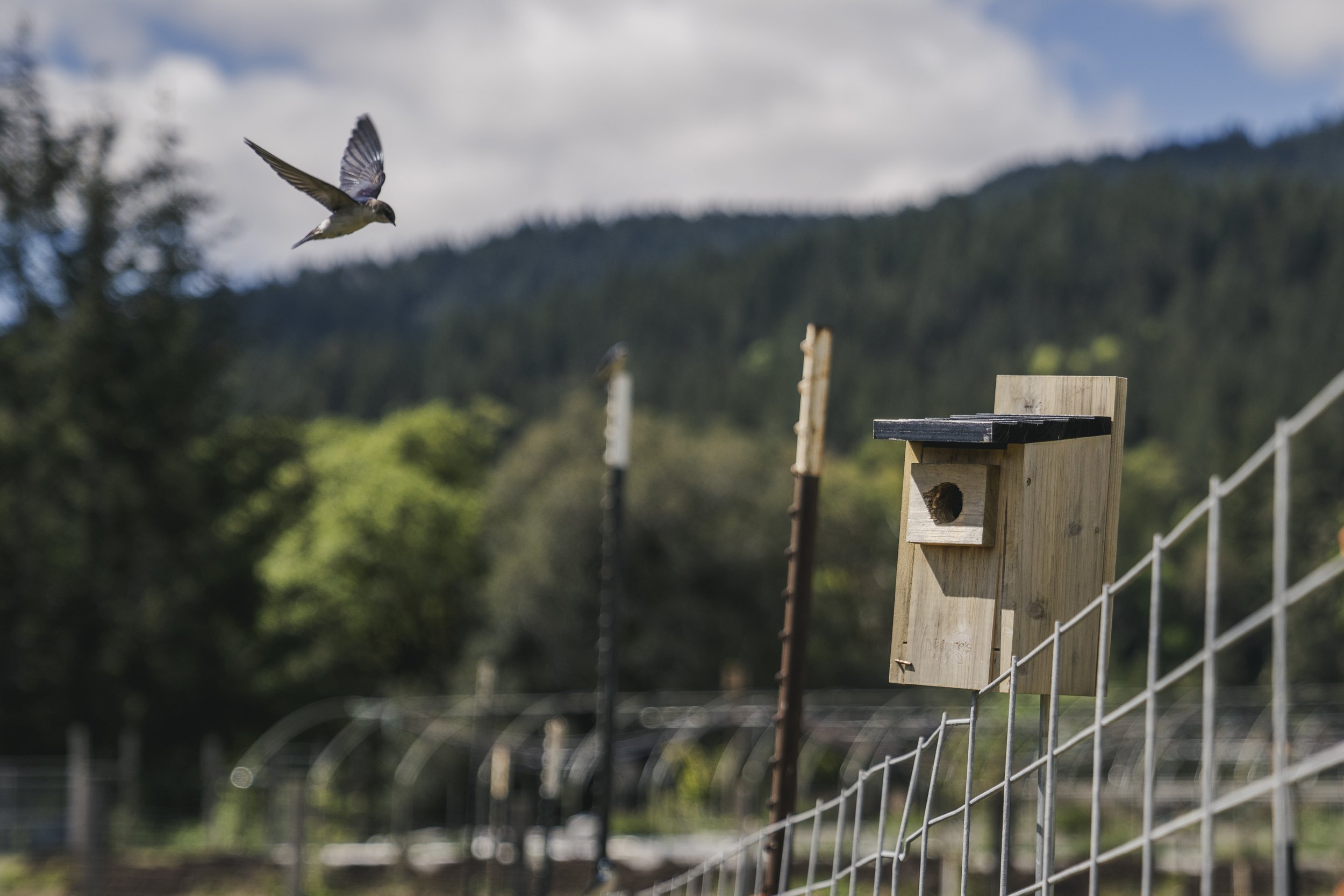
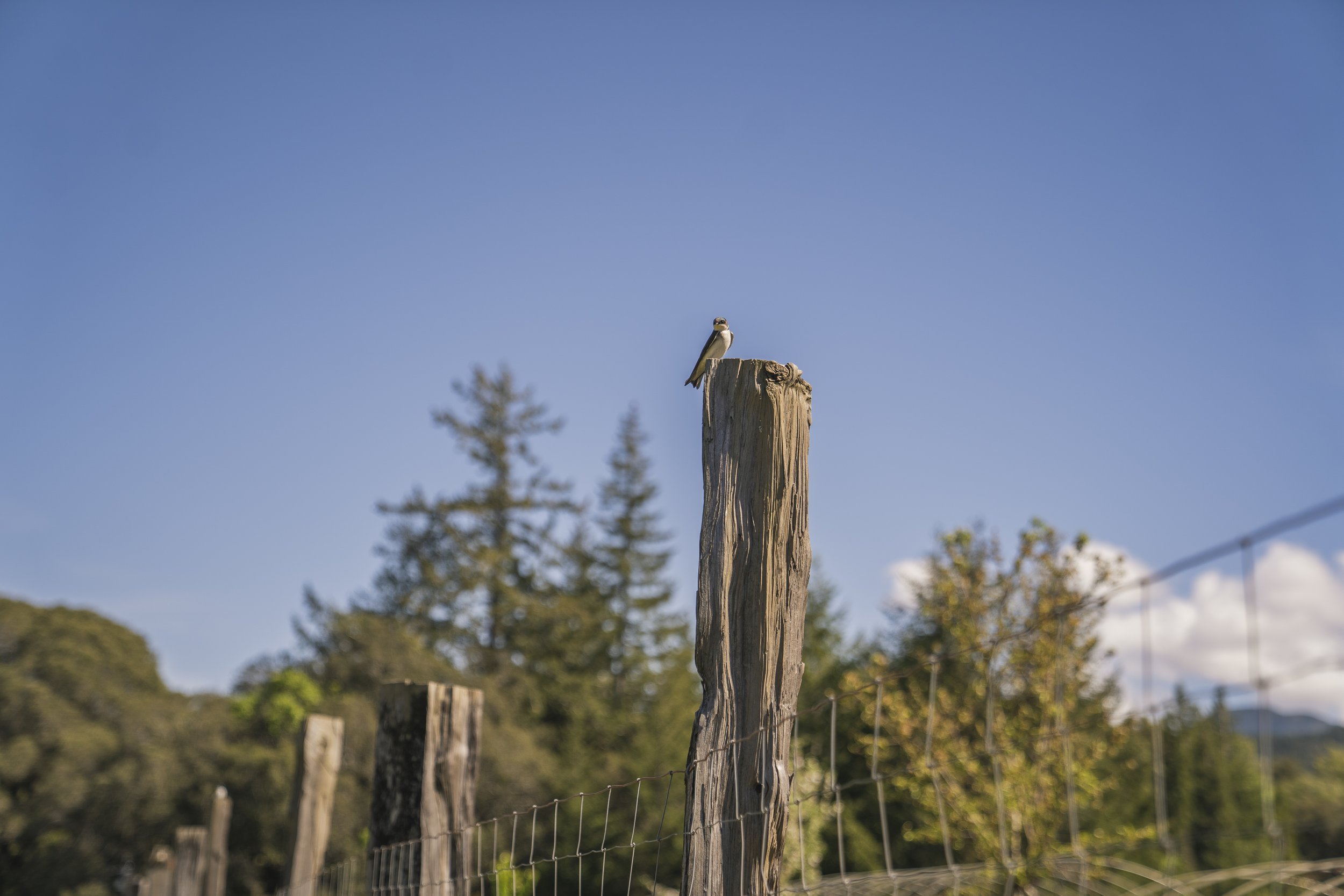
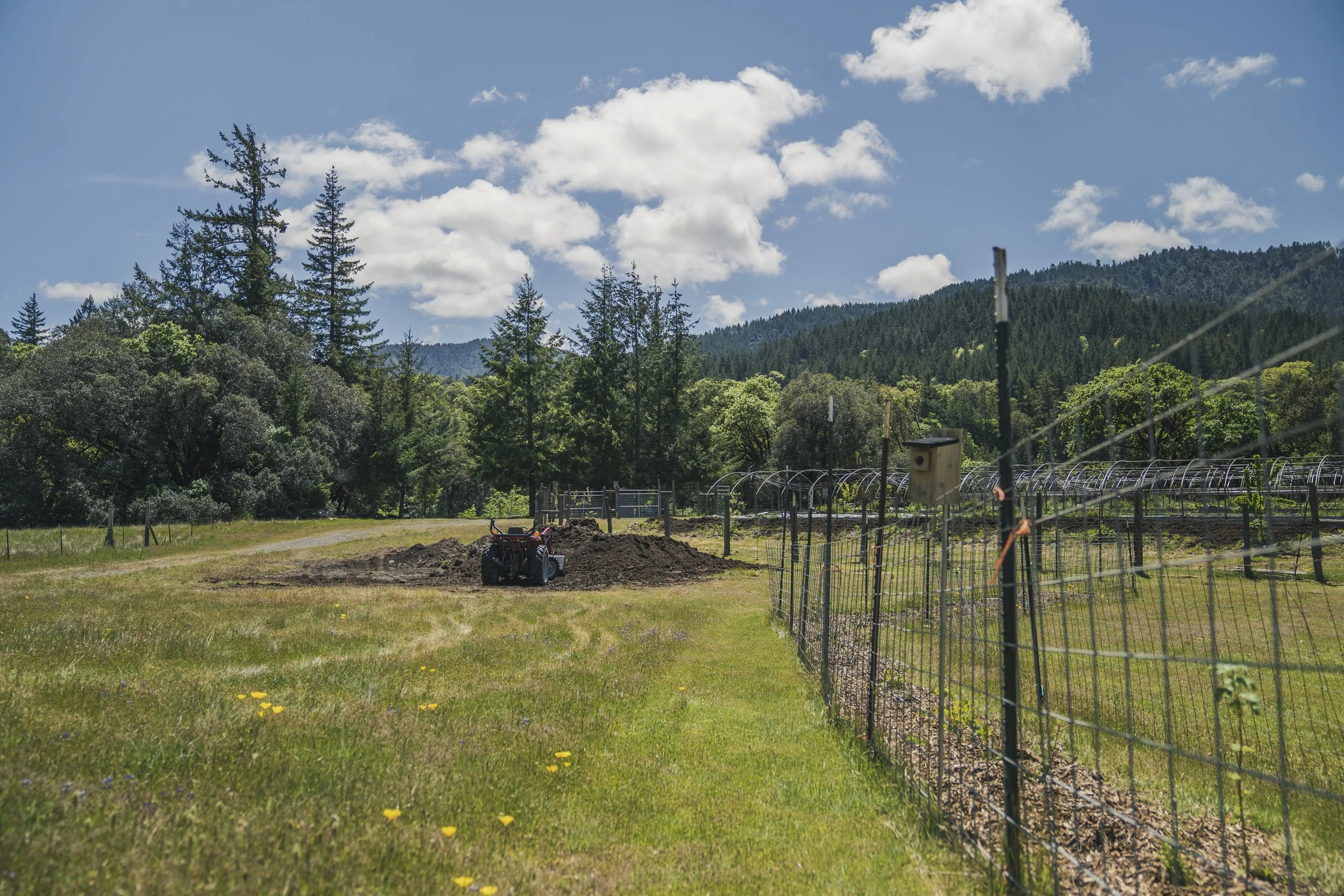
A variety of habitat enhancements can be made for songbirds and other small wildlife, including nest boxes, hedgerows, native plant patches, and water sources. Check out the following links:
Learn how to make a safe, successful home through Project NestWatch’s comprehensive guide: All About Birdhouses;
Determine use in the winter: Will birds use nest boxes to roost in for warmth during the winter?
Preparing for the winter: Winter-Proofing Your Birdhouse.
Invasive species to be aware of that you don’t want to encourage: Managing House Sparrows and European Starlings.
Native plants provide shelter and/or food for songbirds and other small wildlife. Find a list of native plant species that are best for birds in your area on Audubon;
Enter your zip code in this website for plants native to your area: Calscape;
Information on providing water sources for birds and small wildlife: Providing Water for Birds; Water for Wildlife: A Handbook for Ranchers & Range Managers; and
Providing native flowers with nectar resources is preferable over hummingbird feeders but if you choose to have one, make sure to change the water frequently enough (based on your location’s heat and sun exposure) to avoid the sugar water growing algae or fermenting, which can harm or kill hummingbirds if consumed. For more info on hummingbird feeder management, see the National Wildlife Federation's Guide.
When to do it
Fall: Plant native plants with the first rains so roots establish over the wet season. Clean out old nest boxes once the nesting season ends, so wintering birds have a warm place to roost.
Winter: Install new nest boxes before birds start looking for nest sites in late winter and early spring. If a box isn’t likely to serve as a winter roost, plug the entrance and open it in late winter when native birds start looking for nest sites.
Early boxes can get claimed by non-native house sparrows or European starlings, so check them every week or two and remove any of their nests (ensure an accurate ID before doing this!). These are the only two cavity-nesting species whose nests you can legally remove, since native birds’ nests are protected; and
Mice and other small animals may decide to move in, too. So if you notice signs of their presence, be sure to wear appropriate protective gear such as gloves and a mask when cleaning out rodent nests.
Spring: Nesting season is in full swing, so leave occupied boxes, shrubs, and trees undisturbed.
Summer: Many birds are still raising young or on second broods through August. Bird baths and other water sources are especially valuable during our dry summers.
Bats
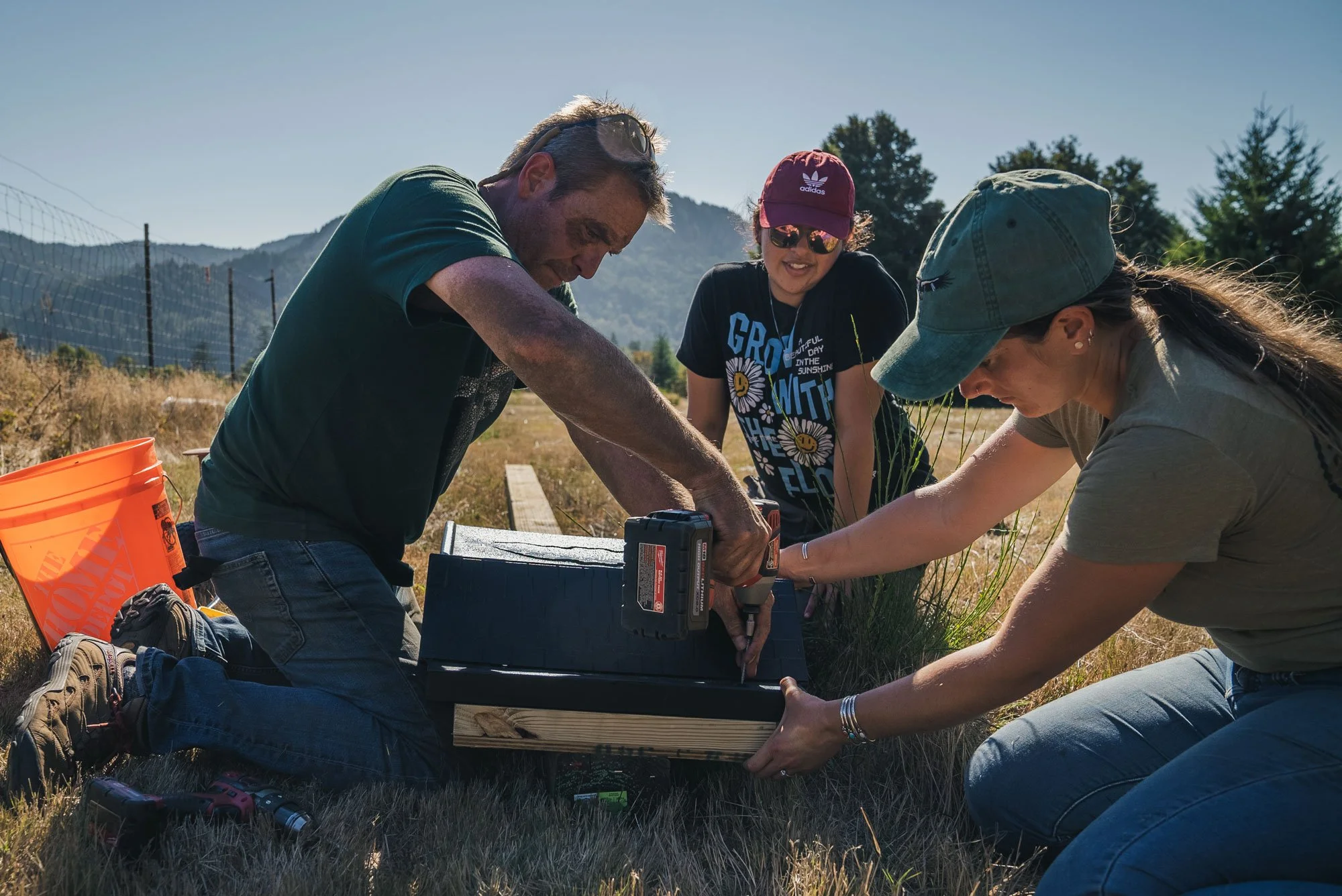
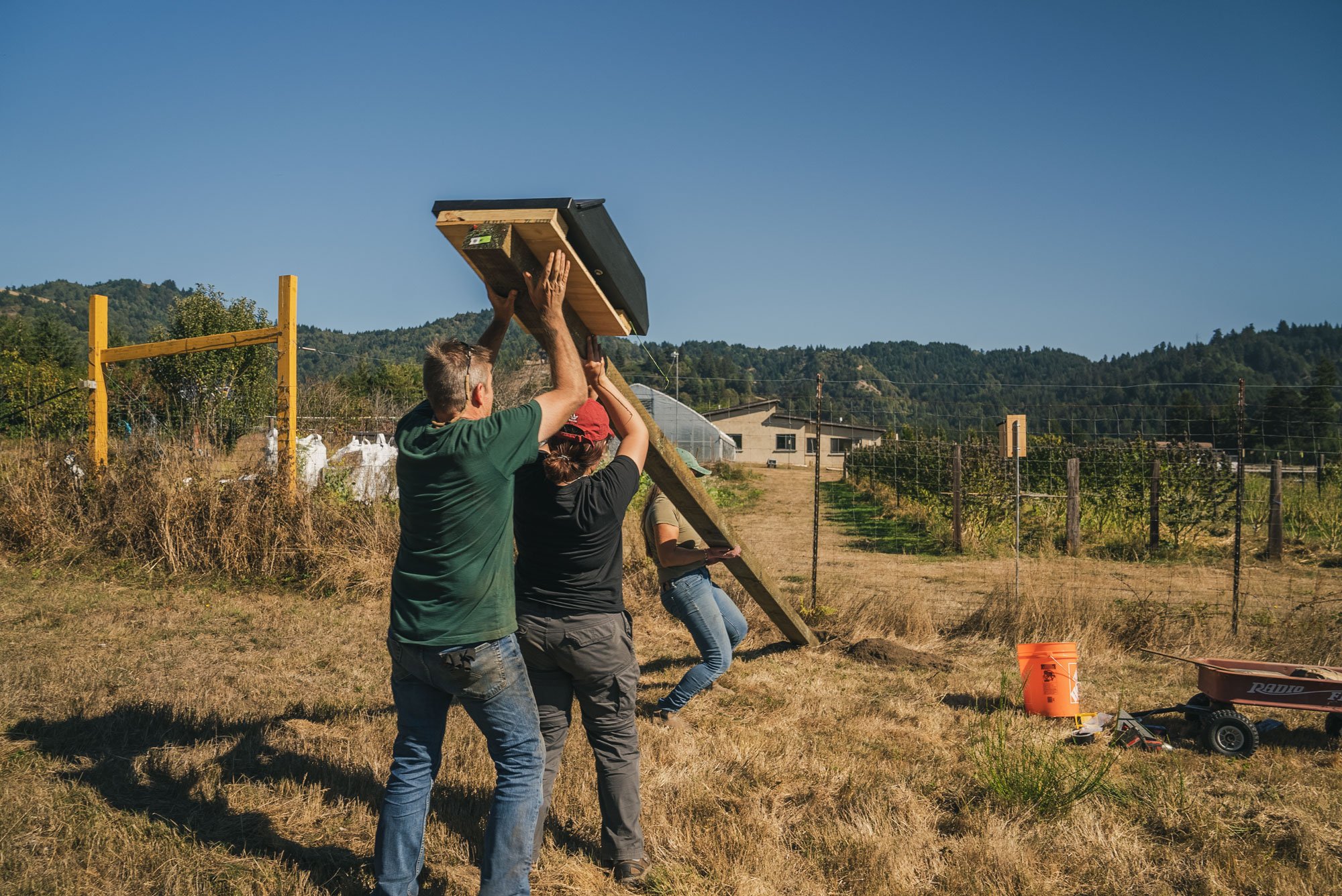
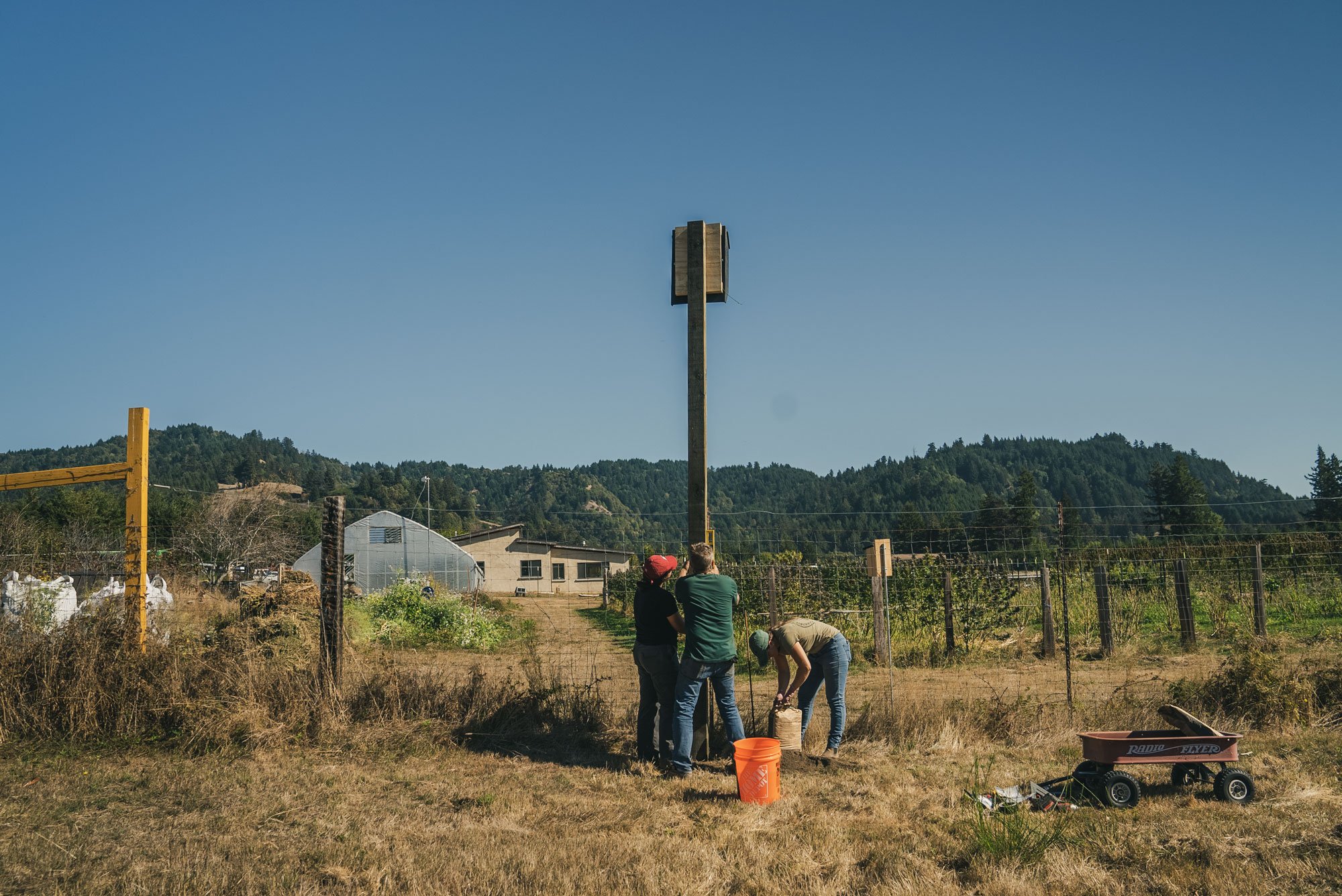
Insect-eating bats save U.S. agriculture an estimated $3.7 billion to as much as $53 billion each year in pest control services, including hunting the night-flying moths whose caterpillars become budworms. Learn more about why bats are one of the coolest tenants you can have on your property in our post Creatures of the Night (Shift): Unmasking Bats.
Natural roosts are best, so keep snags, cavity trees, and trees with peeling bark wherever it’s safe, or if you think bats are roosting in your attic or barn, and they aren’t causing trouble, let them be! Bat houses are a great way to provide roosting supplemental habitat, but placement and design are very specific, so follow the guidance below.
For bat house specifications see: Bat Conservation International’s Comprehensive Guide to Bat Houses and the Bat House Builder's Handbook;
In general, bats need their roosts to be quite warm during the day - the heat matches their body temperature and decreases the need for them to expend extra energy to stay warm while they roost. In most areas, bat houses must be placed in south-facing sheltered areas to allow heat build-up during the days.
To learn more about the house designs and features preferred by bats over others, see: Bat Roost Preferences.
Houses are species-specific, and not every bat will use one. Keep an eye on your bat house over time - if it doesn’t get used the first year, try adjusting the orientation and/or location!
For detailed guidance on how to provide water for bats, or incorporate escape ramps from water troughs or ponds, see: Water for Wildlife: A Handbook for Ranchers & Range Managers; and
Enter your zip code using Calscape to see which native plant species are endemic to your location, which can provide insect food sources for bats.
While most of the native insects bats eat aren’t crop pests, if you’re wary of attracting insects to a particular part of your property, such as your garden, you can plant a prey patch at the edges of your property, along fence lines or near a creek, rather than right next to your garden or grow area. That way you can still attract bats onto your land, where they’ll hunt any pests around them too.
When to do it
Fall and winter: Install bat houses in the off-season so they have time to weather before bats come looking for roosts in spring. With the first rains, plant a prey patch of native shrubs, wildflowers, and trees so they’re established before insects emerge in spring.
Bats need plenty of insects to eat, and native plants support far more of them. Include moth host plants native to your geographic area like willows and oaks, and leave some leaf litter in place, where many moths spend the winter.
Ideally, if tree removal on your property needs to occur, check it for signs of roosting bats and consult a bat biologist if you think you have bats (call us for help if needed!). At a minimum, remove trees as close to dusk as possible in a two step process - on the first evening remove the limbs, then on the second evening remove the remainder of the tree (or leave the trunk standing if you can!).
Limb and tree removal will cause bats to leave if they are present, so waiting until dusk minimizes the chance a fleeing bat would be predated since they were likely planning on “heading out” soon anyway and many potential predators would have turned in for the evening by then
Spring and summer: Many bats are raising pups, so leave roost trees and structures undisturbed.
Raptors and Other Large Birds
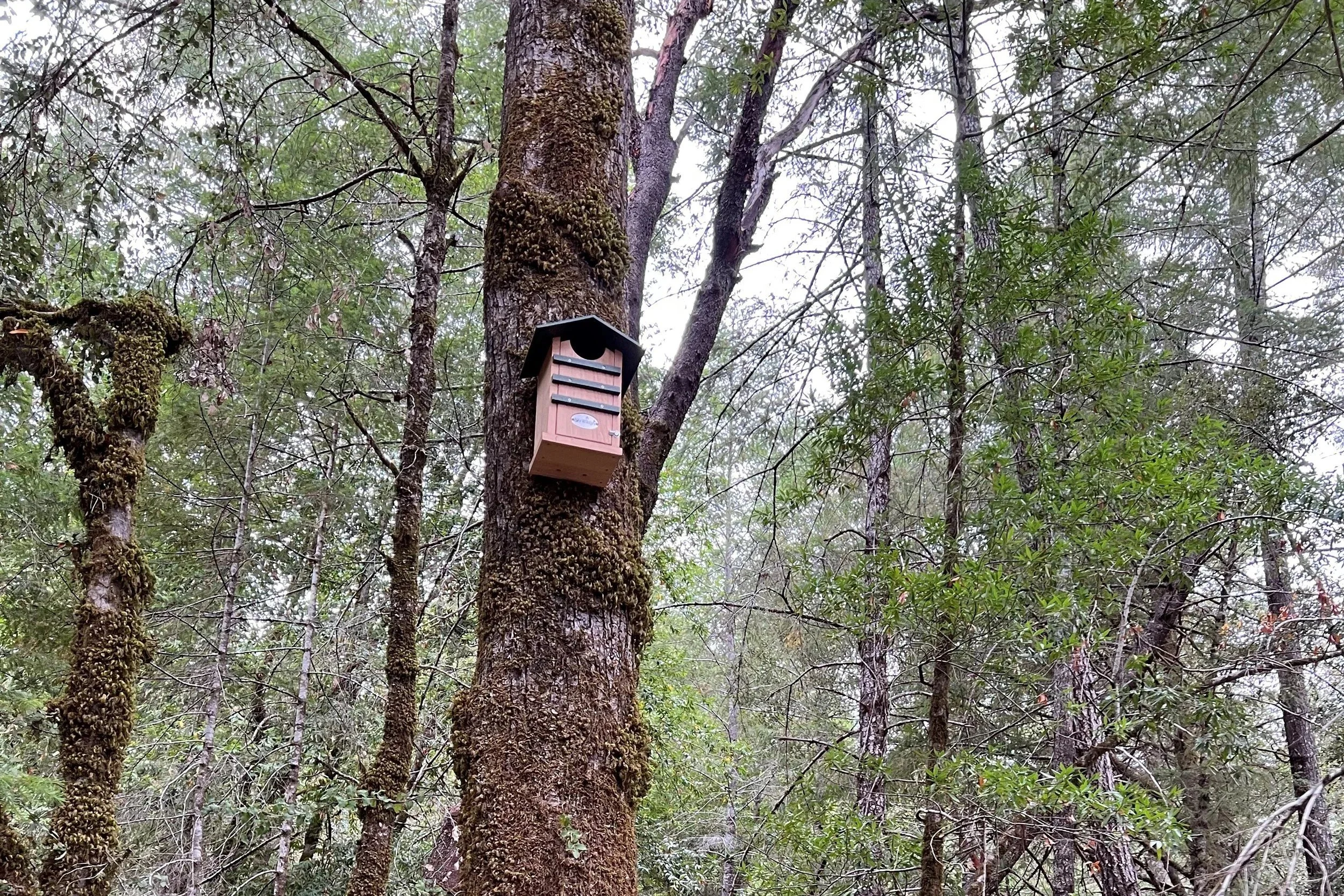
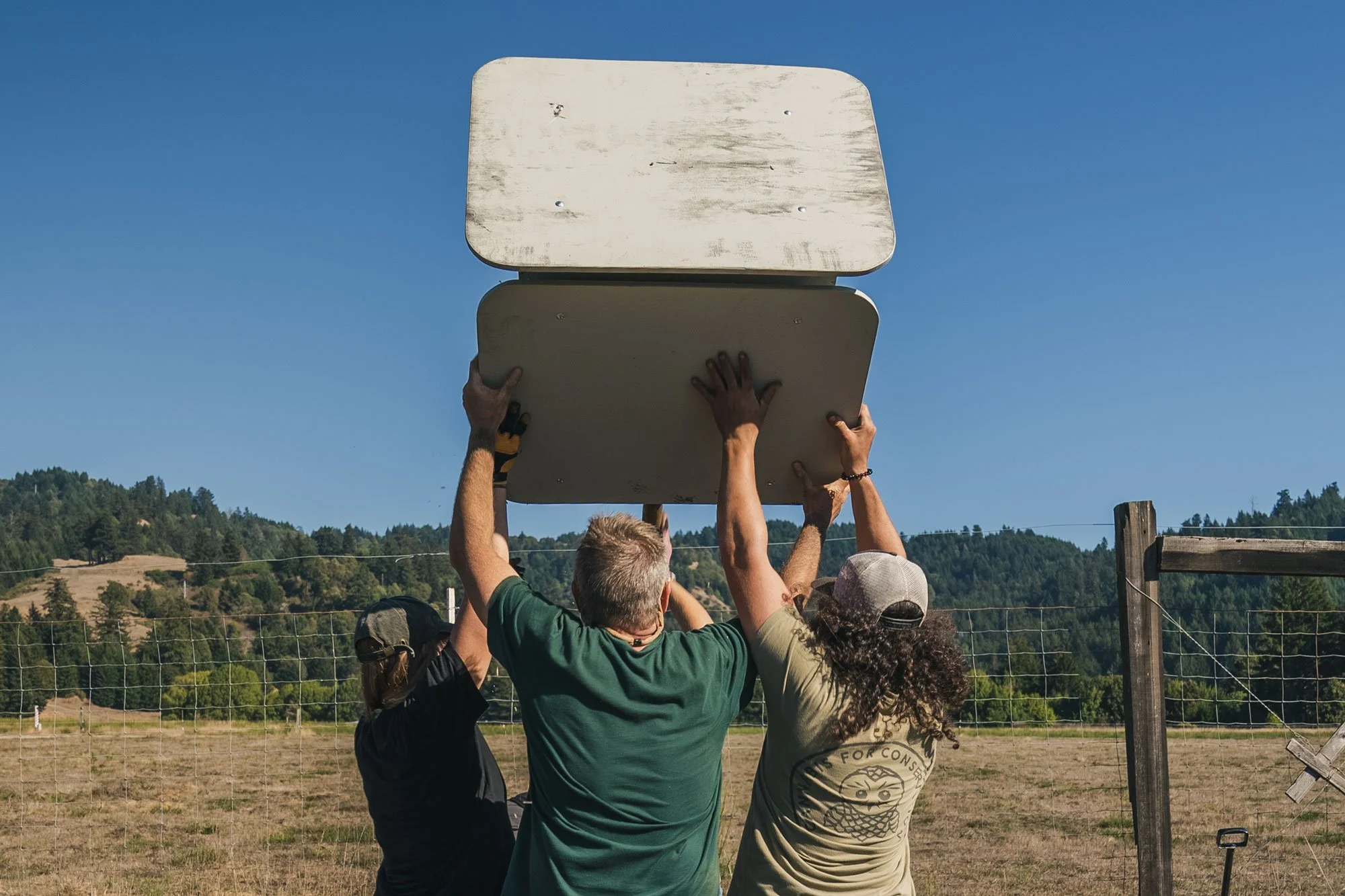
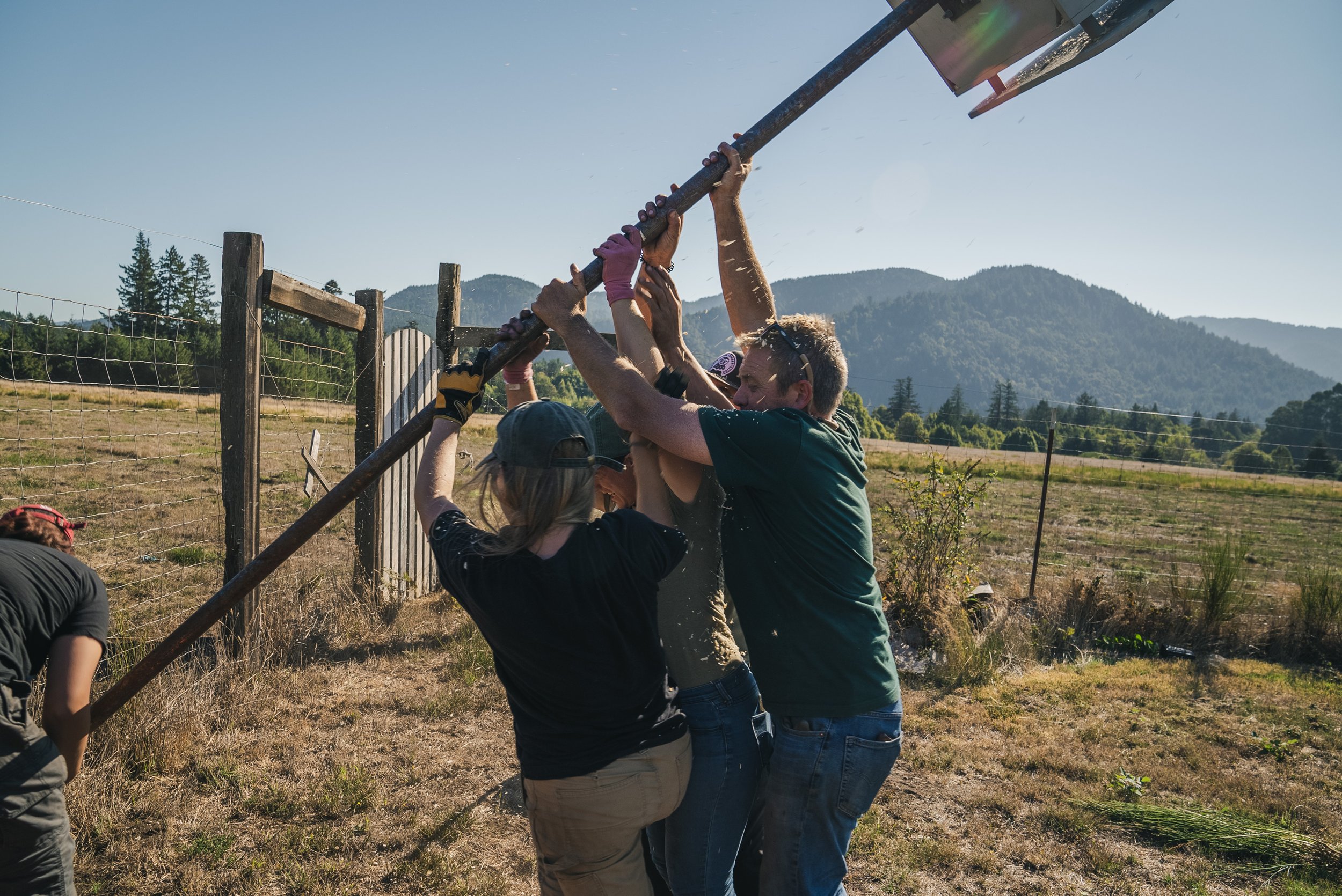
Raptors utilize perches as a vantage point to scan habitat for potential prey. Certain species also require large tree cavities for nesting, which can be in limited supply especially given the loss of mature and old growth forests.
Raptors are also some of the best pest control around; hawks and owls hunt gophers, voles, and mice that damage crops. If you need more help managing small mammal populations, use prevention techniques such as underground wire, strips of unsuitable habitat between your garden and the rest of your yard, or mechanical traps - being sure to check them regularly in case an animal is captured but not lethally. Never use anticoagulant rodenticides on your property. Poisoned rodents don’t always die after consuming the poison, so owls, hawks, and other predators (including pets) that eat them can be killed by the poison.
Learn more about how raptors help farms, and alternatives to rodenticides: Raptors Are The Solution and 5 Natural Ways to Deal With Gophers.
Find placement guidance and designs for human-built raptor perches here: Artificial Perches for Raptors.
To identify which birds (including owls, kestrels, wood ducks, and other large native birds) you can build a nest box or structure for in your region and habitat, visit: Project NestWatch.
Details identifying species-specific nest box/structure designs, instructions on nest box/structure placement (i.e., the type of habitat in which the nest box/structure should be deployed, the object on which the nest box/structure should be mounted), and information on maintaining nest boxes, including managing invasive species, dealing with predators, managing nest box competitors, and troubleshooting.
When to do it
Fall and winter: Install owl boxes, kestrel boxes, and perches. Getting them up before late winter gives birds time to find them before nesting begins. Fall is also the time to clean out last year’s boxes.
Spring and summer: Leave occupied boxes and nest trees alone. Gophers and voles are especially active in spring, which is exactly when a perch or occupied owl box earns its keep.
Aquatic Life
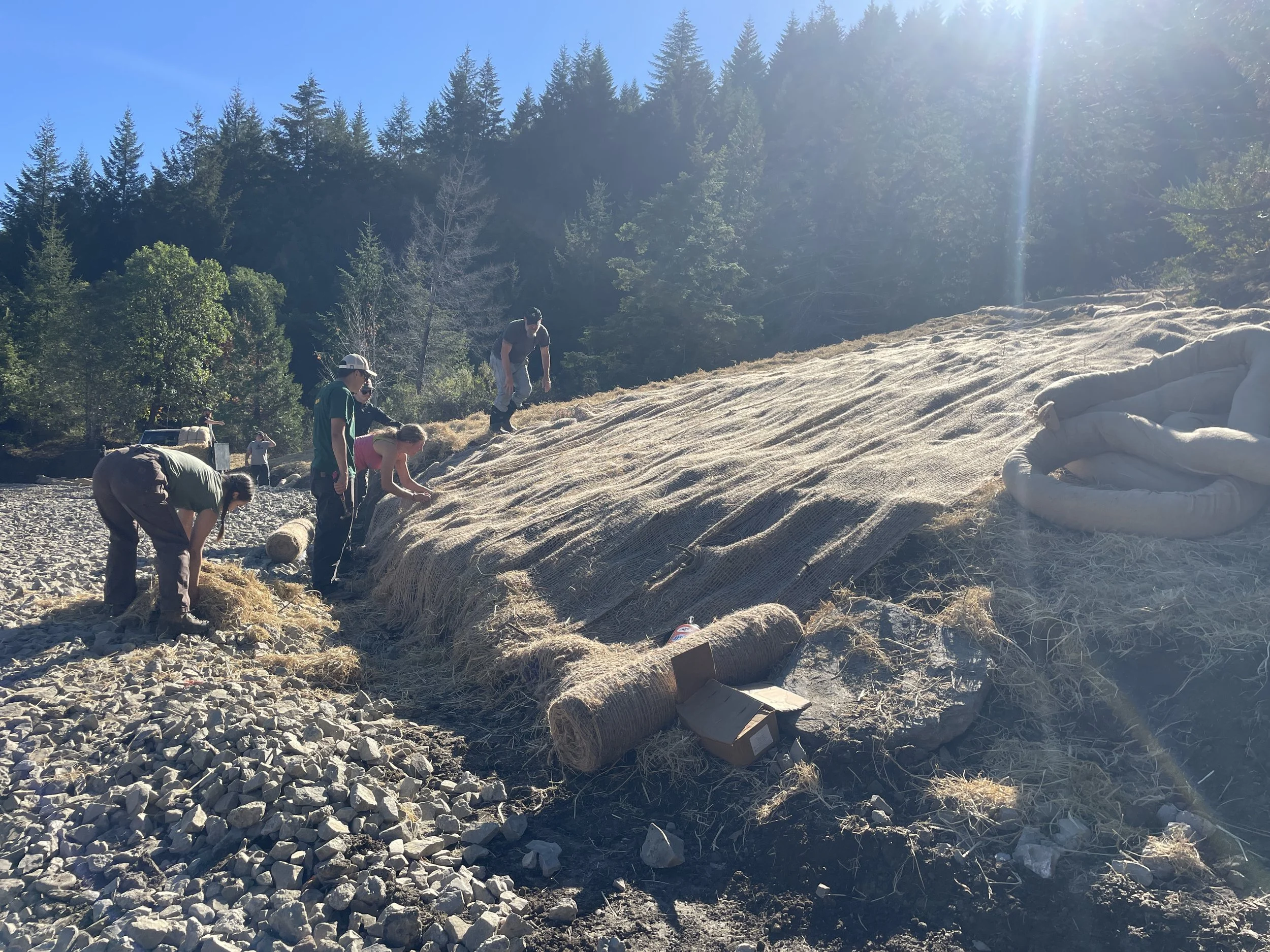
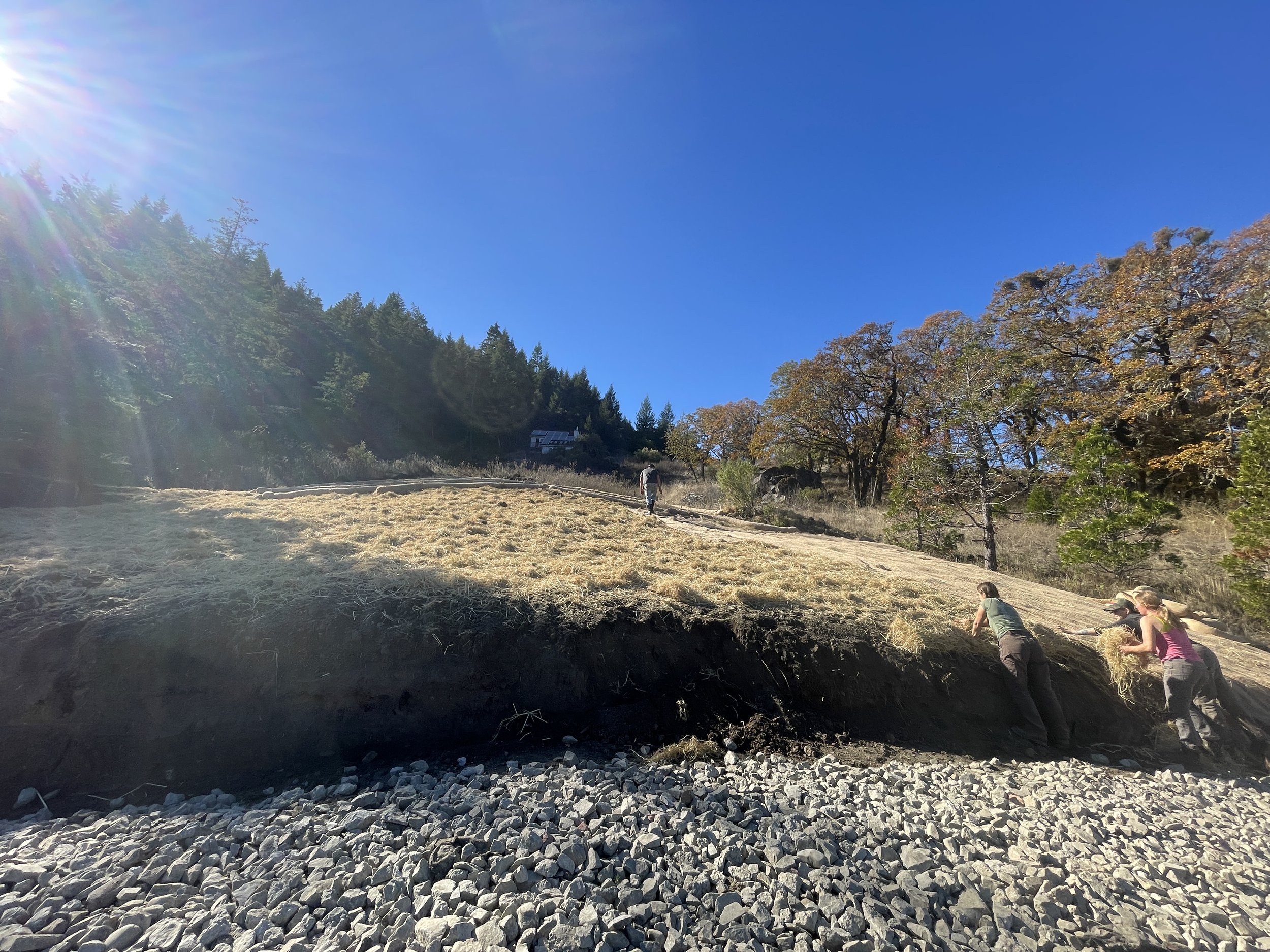
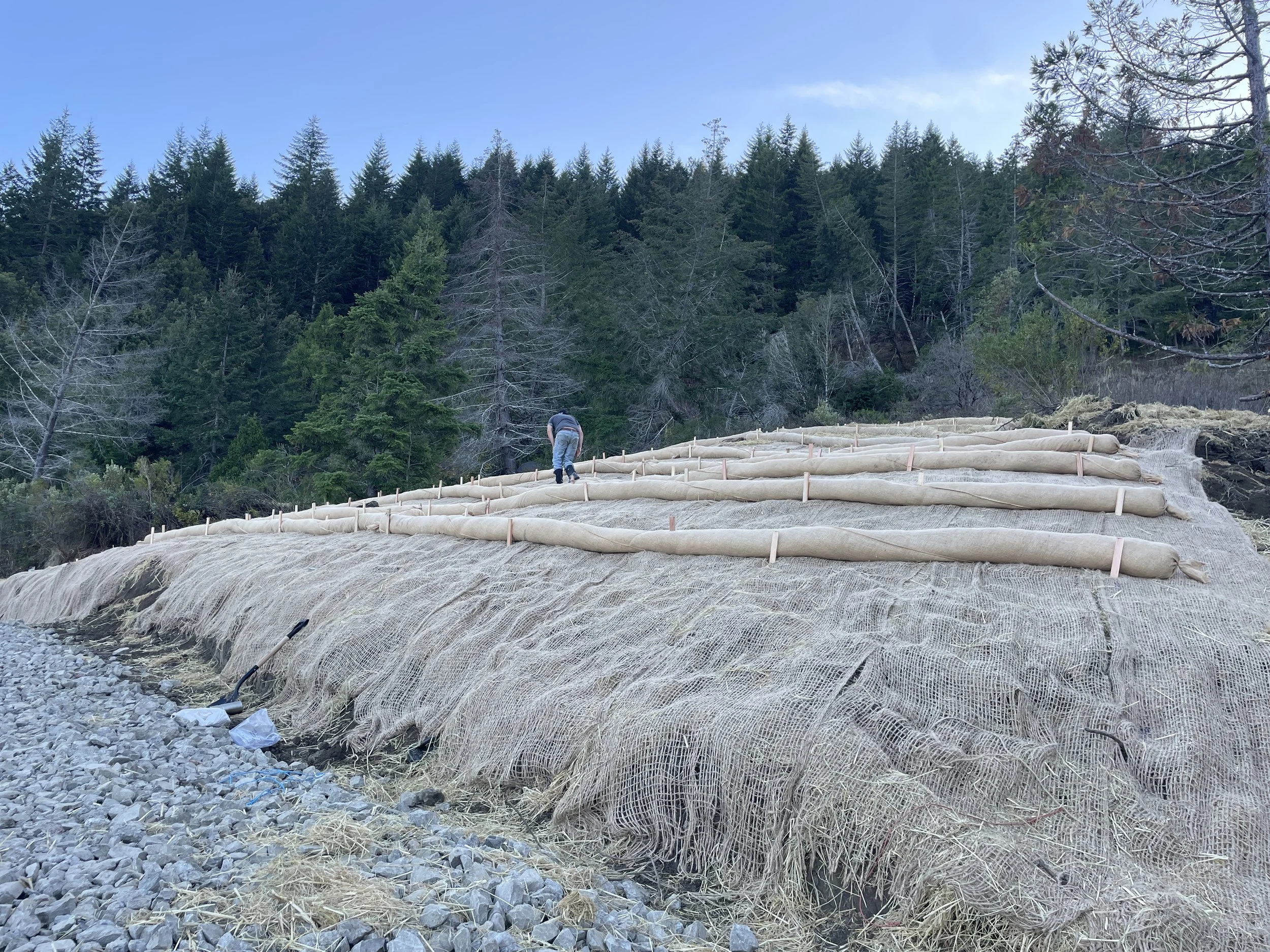
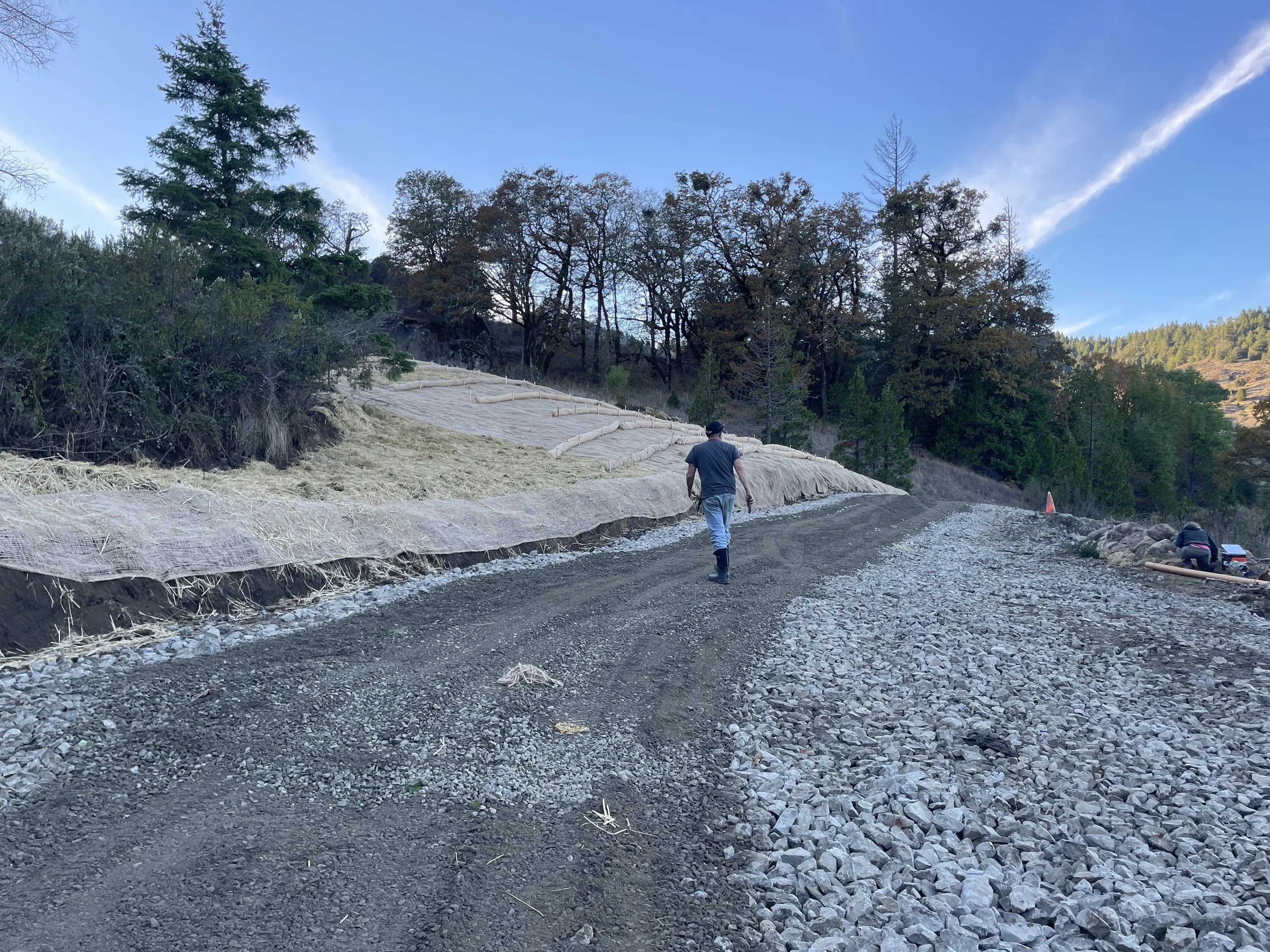
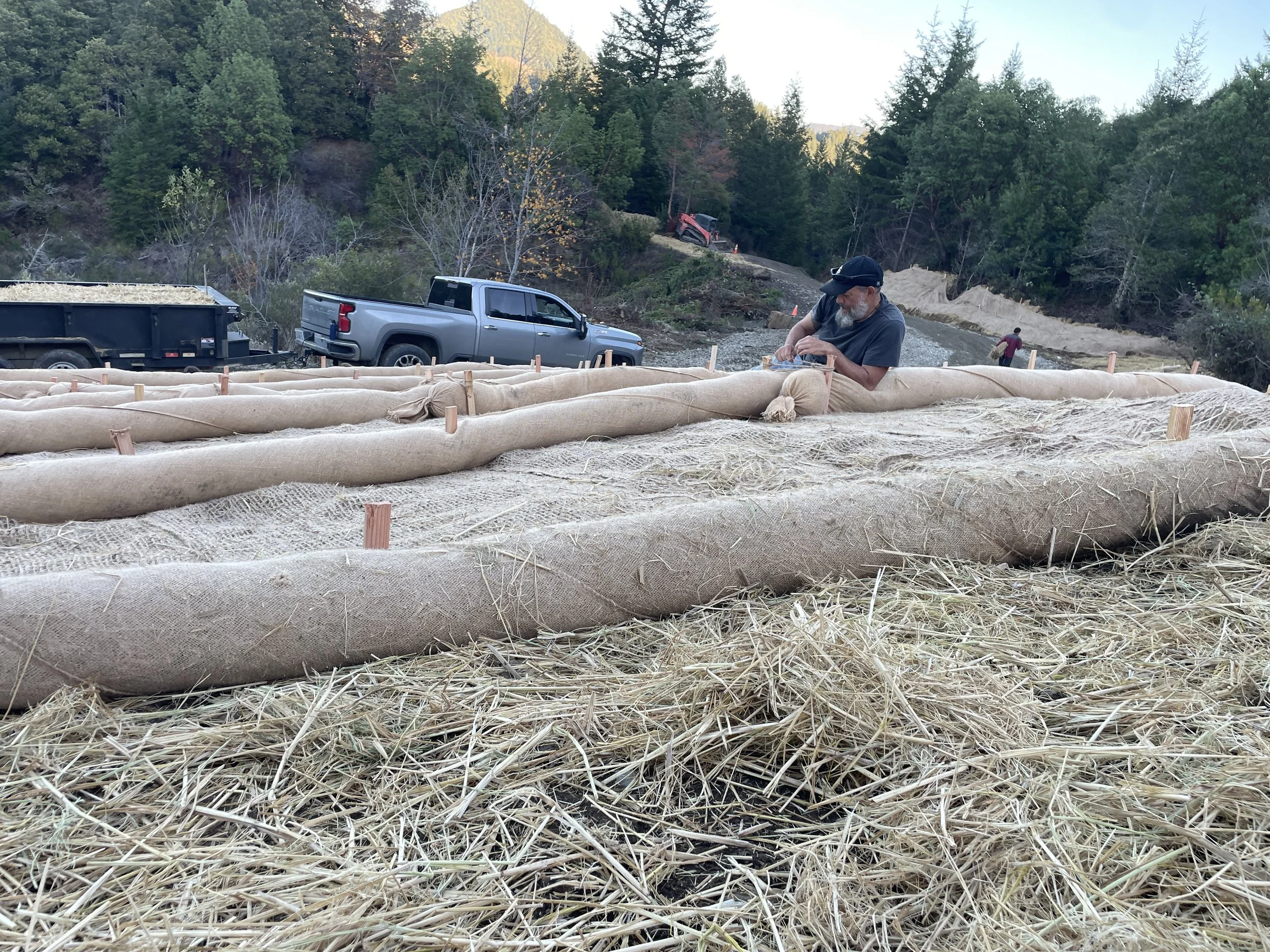
Healthy streams support keystone species like salmon as well as other fish, frogs, salamanders, and the aquatic insects they feed on. While some sediment in our rivers and streams is natural, human activity such as hydromining, road construction, logging, and other forms of habitat alteration contribute extra sediment which our natural aquatic systems were not designed to handle. Excess sediment is the top pollutant in North Coast watersheds, and rural roads are a major controllable source of this contaminant. Winterizing your roads and drainage keeps fine sediment from burying spawning gravels and filling in the pools fish depend on. Storing fuel and chemicals at least 100 feet from creeks keeps other pollutants out too.
How you manage water matters just as much as controlling sediment. Rainwater catchment and tank storage let you fill up in the wet season, so you don’t need to draw from creeks when summer flows are low. Unused ponds deserve a second look, too. Invasive American bullfrogs need year-round water to breed, because their tadpoles take two years or more to grow up. Letting an unused pond dry out breaks that cycle.
Handbook for Forest, Ranch and Rural Roads (PWA and Mendocino County RCD) is the standard reference for rural road drainage, with a Spanish edition and companion video.
Watershed BMPs for Cannabis Growers and Other Rural Gardeners (Mendocino County RCD) is written specifically for cultivators.
For a walkthrough on Northern California timelines and guidance on rural road erosion control, including outboard berms, culverts, and rolling and critical dips, see our Rural Road Erosion Control blog, and download our Winterization Checklist.
Learn more about our erosion control work through our Sediment Reduction Project, funded by the California Department of Fish and Wildlife – Cannabis Restoration Grant Program.
When to do it
Summer: Walk your culverts while channels are dry, clear debris, and plan road and drainage work. Rely on stored water instead of creeks, and use drip lines and fix leaks to make it last.
Late summer and early fall: This is the sweet spot for road and drainage work, since the ground is dry and peak nesting season is over. Finish winterizing before the rains set in, and cover bare ground with seed and weed-free straw. Get your rainwater system ready, too: clean gutters, screens, and first-flush diverters, check tanks and lines for leaks, and make sure overflow drains to a stable spot where it won’t cause erosion or pull sediment into a watercourse. It’s also the time to dry out unused ponds, after native frogs have finished growing and are able to disperse. Drain slowly to keep sediment out of streams, have a biologist check for protected species first, and check with CDFW if the pond connects to a stream.
The invasive American Bullfrog requires water year round to complete their breeding and growth cycle, so this is an important task to prevent their presence. For landowners in the South Fork Trinity River Watershed with bullfrogs on their hands, we want to help: Apply for Bullfrog Removal and Management Grant.
Winter: Fill your water storage while streams are running high. After big storms, check culverts, dips, gutters, and tank overflows for plugging or damage. Rainy nights bring newts, salamanders, and frogs out to breed, so drive slowly.
Minimizing Invasive Species
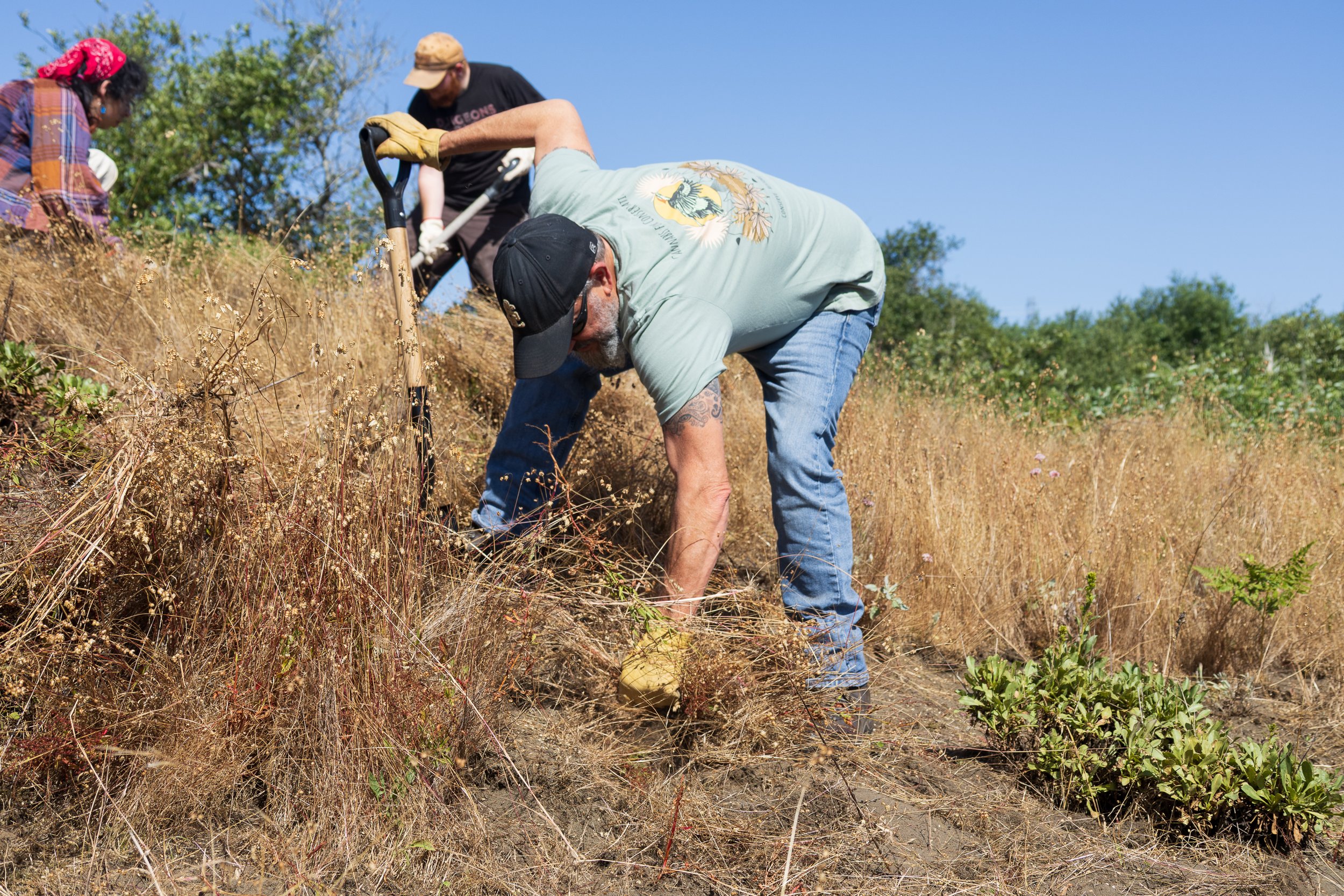
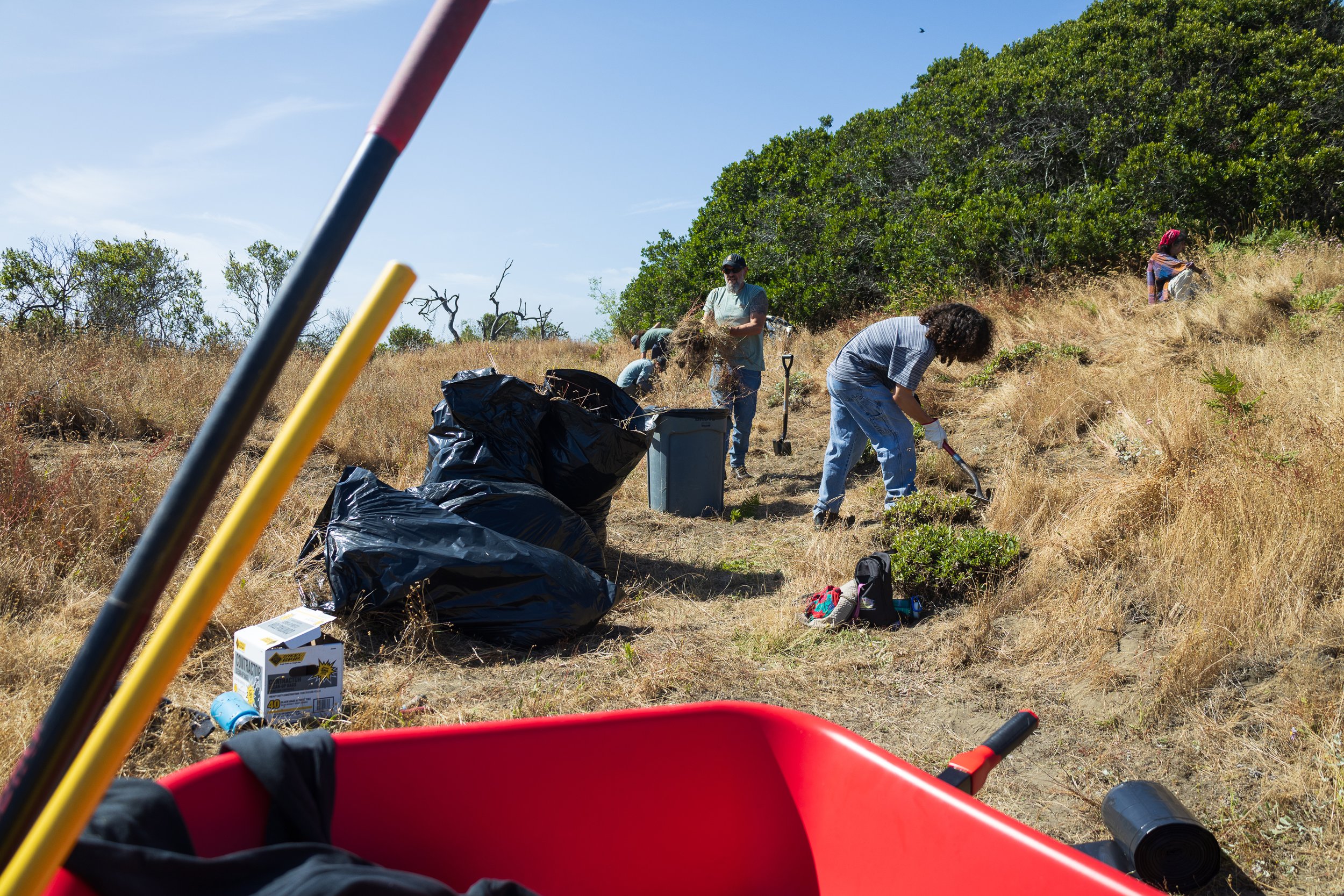
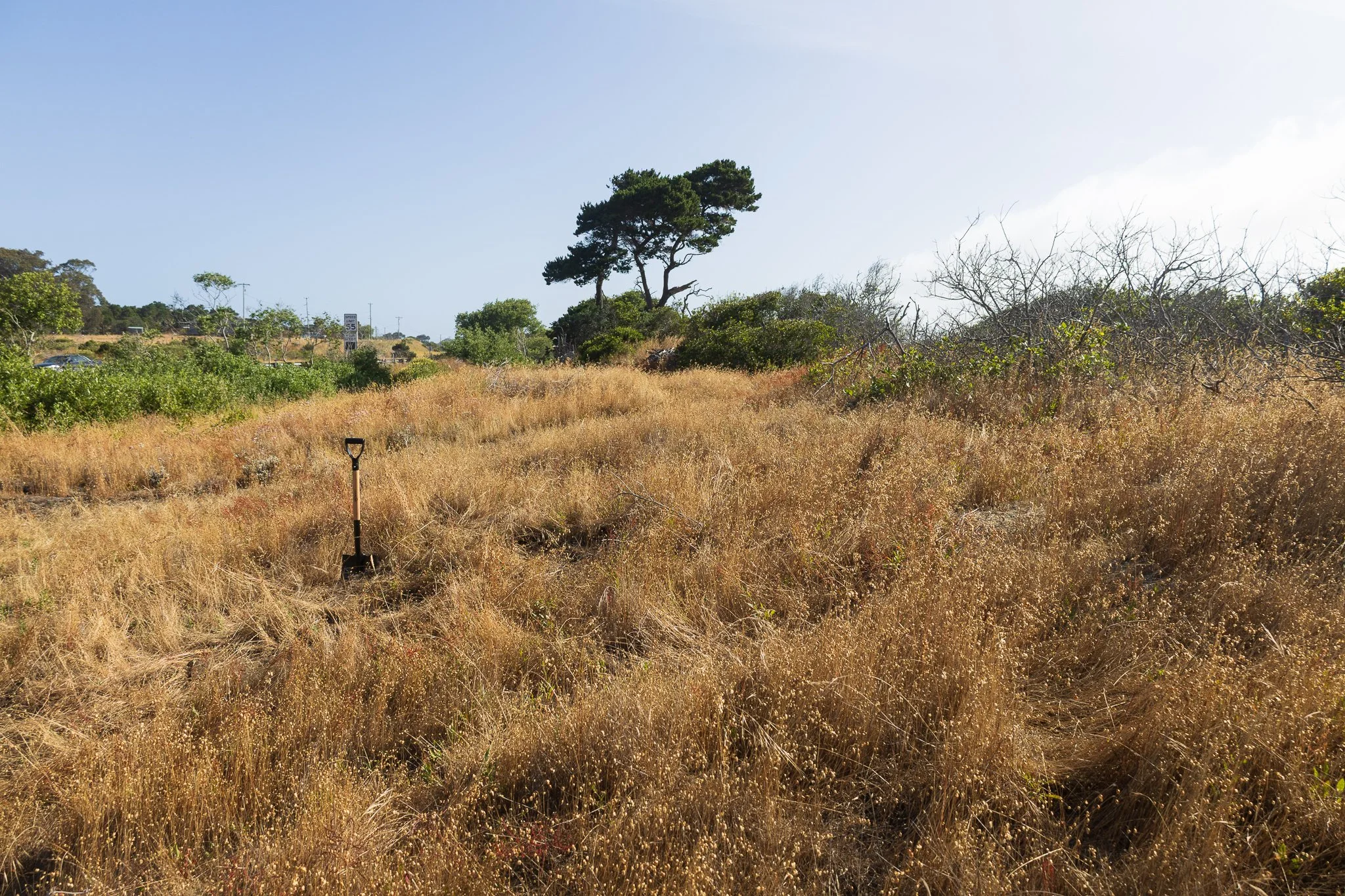
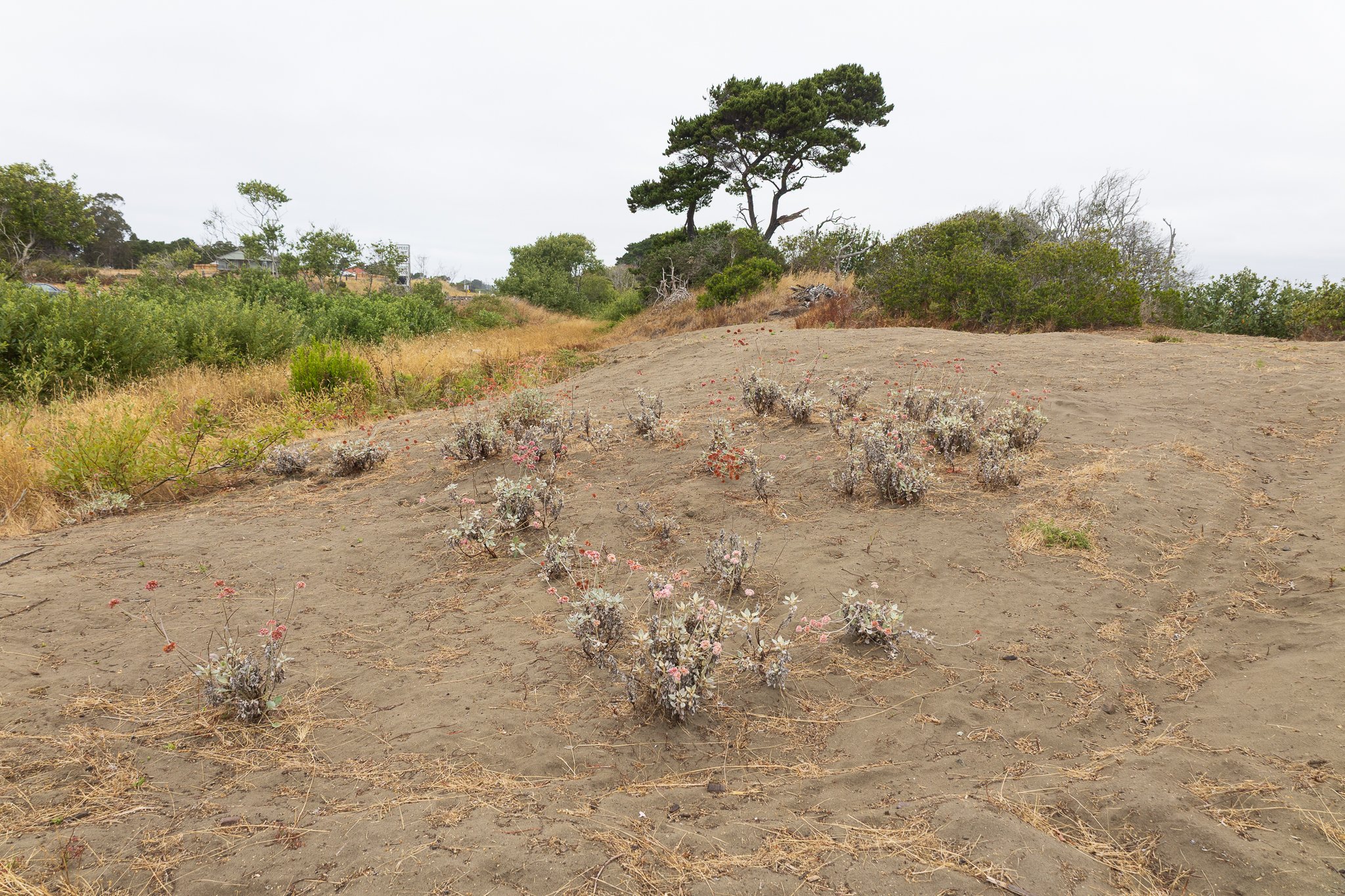
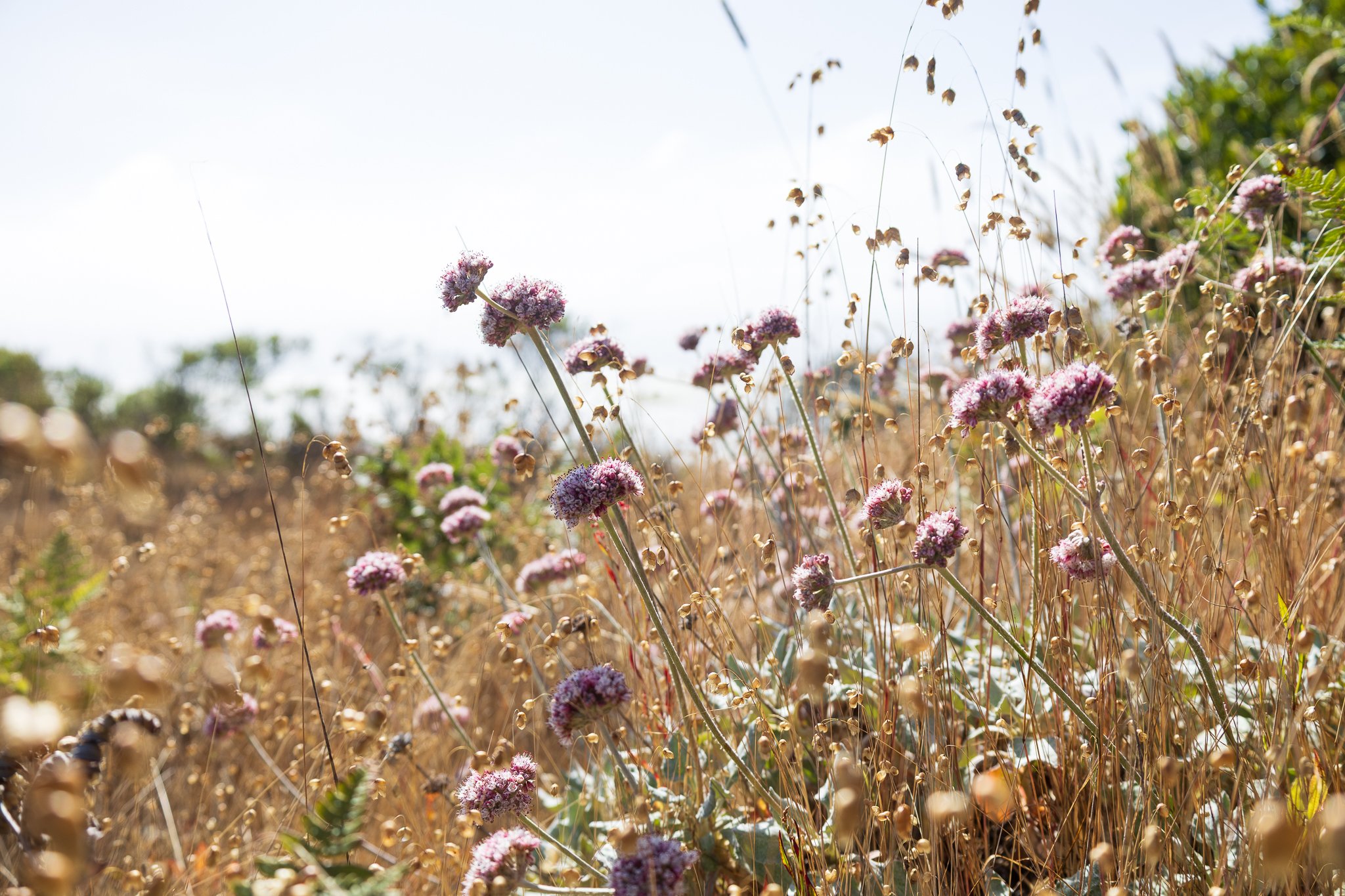
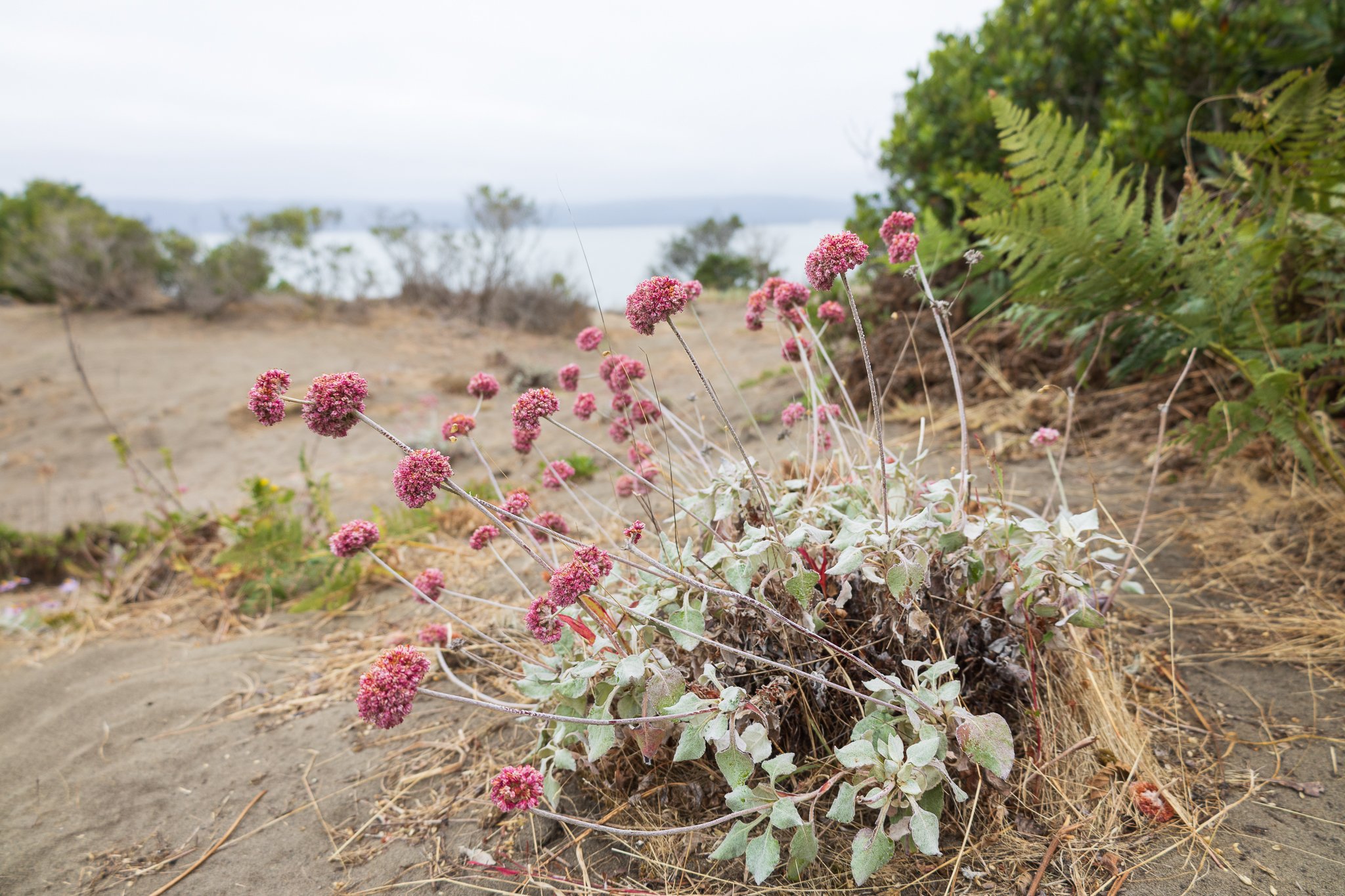
Invasive plant species outcompete and displace native plants, which can have serious impacts to food sources and habitat for wildlife. They should be removed to the greatest extent possible, using species-specific methods that are non-toxic where possible and replant with native plant species. Invasive plant material from species that can easily resprout or spread should be taken to a green waste facility or dump rather than left in a pile onsite.
You can also prevent new invasive species from arriving. Clean equipment and machinery before bringing it onto your property, use only weed-free mulch and erosion control materials, and source plants and mulch locally.
For information on assistance in identifying and managing invasives, explore California Invasive Plants Council and download the iNaturalist app.
To find native plant gardening resources, visit California Native Plant Society’s page: Gardening & Horticulture.
For examples of state laws and regulations on invasive species, view CDFW.
A comprehensive planning guide for creating consistent, abundant foraging: Maintaining Diverse Stands of Wildflowers.
Want a fun quick guide to common invasive plants in Northern California? Check out or download our Invasive Species Wanted Posters.
When to do it
Winter: Identify the invasives on your land and plan removal. Wet-season mud carries weed seeds easily, so this is an especially important time to clean equipment.
Spring: Identify invasive plants again, as most annuals will have not been identifiable in winter and many species that flower will be easier to identify now, pulling them ideally before seeds start to develop. Many species will be able to set seed even if they are pulled before the seeds are mature, which is why it’s important to pull early and dispose of plant material in a way that prevents additional spread. Moist spring soil makes hand-pulling easier for many species.
Summer: Keep monitoring for resprouts or new invasives and remove seed heads before they mature. If you can’t remove the entire plant, you can at least prevent it from spreading!
Fall: Replant cleared areas with natives once the rains start, so invasives have less room to come back.
Land Stewardship for All
Some of the most effective things you can do for wildlife don’t involve building anything. How you manage your land day to day shapes the habitat available to birds, bats, pollinators, reptiles, amphibians, fish, and mammals alike.
Leave natural habitat features in place
Snags (dead standing trees), cavity trees, trees with deformities or peeling bark, and downed logs and branches provide nesting, roosting, and shelter for woodpeckers, owls, bats, lizards, salamanders, and many other species. Abandoned rodent burrows and leaf litter can house nesting bumble bees. Retain these features wherever you can.
Learn more about the benefits of dead trees from Audubon and the best ways to manage habitat for overwintering and nesting pollinators from Xerces.
Keep wildlife moving safely
Leave unfenced corridors, or remove barbed wire from the top and bottom strands, so animals can move through your property.
For building guidance, check out NRCS’s specification sheet: Wildlife-Friendly Wire Fence.
While the glass on windows and doors might be obvious to you, these features often reflect the sky and vegetation nearby, which can make it hard for birds to differentiate windows from the rest of your yard. Add decals, tape, or screens to the outside of windows and greenhouse panels (or hang plants, windchimes, or other decorations in front of them), spaced no more than 2 inches apart.
Go in depth with: American Bird Conservancy’s Solutions for Homes and CornellLab’s Treat Glass.
Plastic netting is one of the most common traps on farms. Check trellis netting daily while it’s in use, store it in a bin or shed when it’s not, and cut it into small pieces before throwing it away.
For erosion control, choose natural-fiber or loose-weave (“leno”) products that will biodegrade, or ones with no netting at all, and avoid products with plastic or ‘photodegradable’ netting, which can persist for years and entangle wildlife. Cap open pipes and posts, remove unused hanging wire, add escape ramps to troughs or other containers, keep lids on water tanks, and turn empty buckets on their sides.
Discover the best materials for your needs with USFWS’s Wildlife-Friendly Erosion Control Products presentation.
Shield all outdoor lighting and point it downward, and cover greenhouses and hoop houses at dusk so light doesn’t escape into the sky or onto neighboring properties. Dark nights protect bats, owls, migrating birds, and other nocturnal wildlife as well as the insects many of these species rely on for food.
Learn more about the best methods and timing for reducing light from CornellLab.
Manage trash carefully
Keep trash in wildlife-proof containers, haul it off regularly, and never burn it onsite.
To read more about the importance of this management, see: The Hidden Harm in Feeding Your Local Wildlife; Human-Wildlife Conflicts: Black Bears, Raccoons; Skunks and Opossums.
Drive slowly
Keep vehicle speeds at 10 mph or less on your property to protect wildlife crossing roads and to reduce dust.
When to do it
Fall (Sept–Nov): This is the best window for tree trimming and brush clearing, since nesting season for birds and many mammals is over. After harvest, take down and store trellis. This is peak winter migration season for birds, so shielding or turning off outdoor lights and adding window decals to prevent strikes will help keep them on course.
Winter (Dec–Feb): Leave wood piles and rock stacks alone, since reptiles and amphibians shelter in them through the cold months. If you have to move one, do it carefully and in a phased approach (e.g. take a few days to do it) - this allows any critters present time to find a new home. On rainy nights, newts, salamanders, and frogs are on the move, so take extra care driving.
Spring (Mar–May): Many animals are nesting and raising young. Avoid removing trees or vegetation; if it can’t wait, ask a qualified biologist to conduct a survey for nesting/denning activity. Where you can, hold off on grading and excavation until mid-August, after the peak nesting season. Spring is also a peak migration period, so keep disturbance low around habitat edges and riparian areas, minimize or eliminate outdoor light, and dress windows.
Summer (June–Aug): Wildlife is still raising young, so continue avoiding tree work and heavy disturbance. Water is scarce in warmer locations, so check troughs, tanks, and containers often for trapped animals. With light deprivation season underway, be especially careful about covering structures at dusk.
Need a Hand?
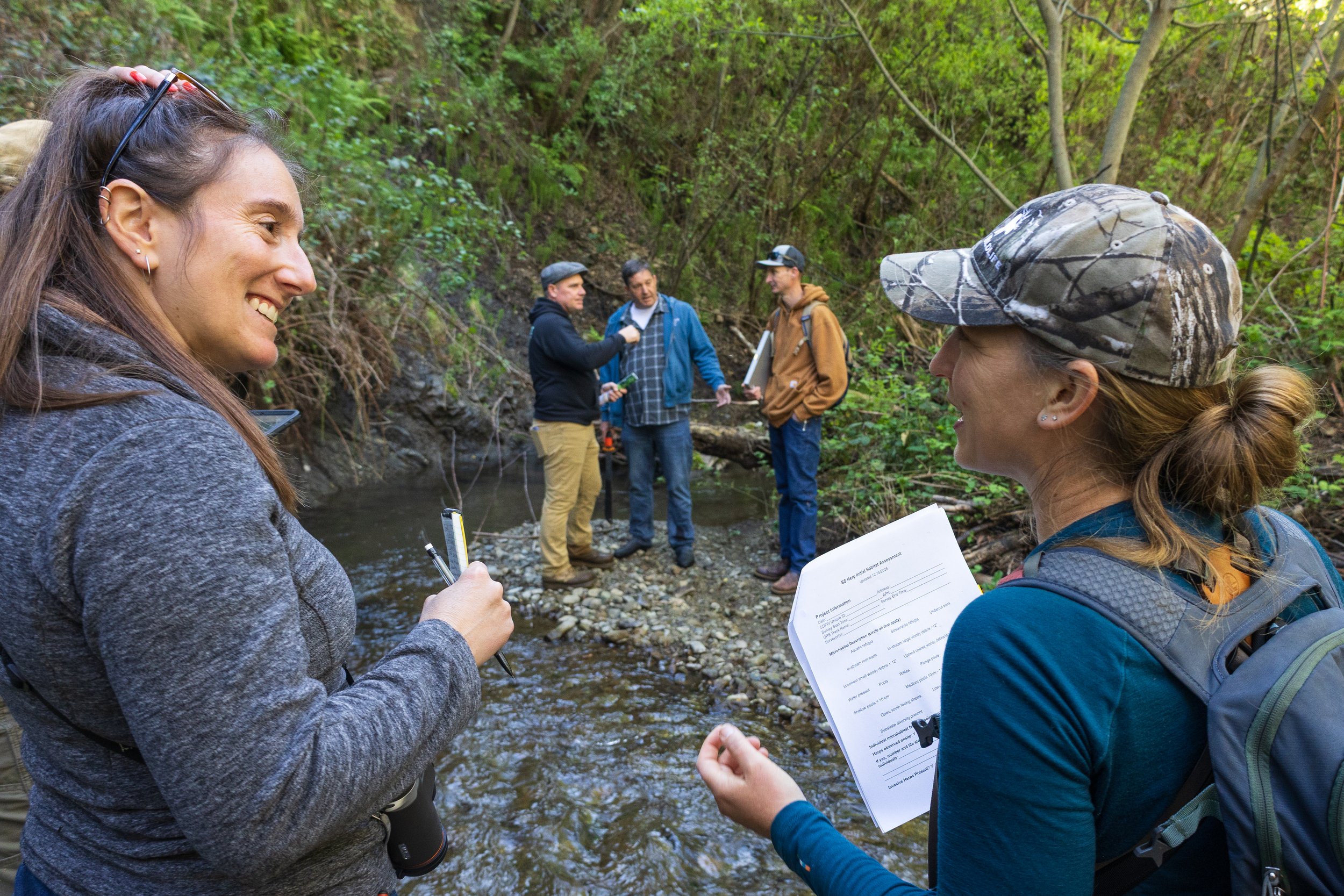
If you’re planning new development, removing trees during nesting season, or want an expert set of eyes on your property, CFC can help. Our contracted services include nesting bird and raptor surveys, bat monitoring, bumble bee surveys, botanical surveys, road assessments, and on-site biologists for pre, post, and during construction monitoring.
Depending on the timelines of the grants we’re developing and projects we are working on, we offer funding to aid land management and stewardship through conservation and restoration across watersheds, forests, and habitat in Northern California. If you’re interested in learning more about how we may be able to help you, visit our Restoration Opportunities page or go straight to filling out our Landowner Interest Form.